Netflix’s New World War II Epic Is Taking Inspiration From One Of The Most Disturbing Psychological Thrillers Ever Made
Netflix’s upcoming World War II epic is taking an unexpectedly dark approach to combat — and its director has revealed an unsettling cinematic influence behind some of its most intense scenes.
The Mosquito Bowl, directed by Peter Berg, is aiming to deliver a brutally immersive portrayal of an overlooked chapter of the Pacific campaign. Rather than relying on familiar Hollywood heroics, the film draws inspiration from some of cinema’s most visceral works, including Full Metal Jacket, Saving Private Ryan and, surprisingly, Gaspar Noé’s 2018 psychological horror film Climax.
Speaking exclusively with MovieWeb, Berg explained why Noé’s unconventional filmmaking helped shape the way audiences will experience the chaos of battle.

Peter Berg Turned To A Psychological Nightmare For Inspiration
Berg did not choose Climax casually. The filmmaker described it as an exceptionally intense viewing experience, one that pushes audiences into uncomfortable psychological and physical territory.
“It’s a very, very intense, immersive film that was one of the more impactful films that I’ve ever experienced. He’s taking his audience, and he is immersing them in some pretty rough stuff. And I don’t recommend this film for people who don’t have an appetite for tough movies psychologically and physically.”
Directed by Gaspar Noé, Climax follows a dance troupe whose rehearsal gathering descends into horrifying chaos. Its extended takes, disorienting camera movements and saturated lighting create an increasingly disturbing atmosphere, making viewers feel trapped inside the unfolding nightmare.

Noé is also known for challenging cinematic boundaries through explicit violence and controversial subject matter. His 2002 film Irréversible, particularly its notorious ten-minute sexual assault sequence, remains one of the most difficult scenes in modern cinema.
Berg admitted that Climax was not necessarily a film he loved, but its visceral impact left a lasting impression.
“It’s a tough film, but if you do [watch it], you might hate it,” he said. “I can’t say I love the film, but I respect what he does and its visceral power. Climax was something that I was thinking about when we were filming some of the more kinetic aspects of The Mosquito Bowl.”

The Camera Puts Viewers Directly Inside The Battlefield
The influence of Climax becomes particularly apparent in the way The Mosquito Bowl handles its combat sequences.
Instead of presenting battle from a distant, polished perspective, the camera stays dangerously close to the characters. It pushes toward their faces, follows them as they desperately scramble through war zones and captures the panic unfolding around them.
The result is a visual approach that makes the camera feel less like a traditional filmmaking device and more like an embedded combat correspondent witnessing everything firsthand.
This technique also connects to the film’s concept of “the white buzz” — an overwhelming sensory experience triggered by a sudden surge of adrenaline.
The intention is to make viewers feel the confusion, fear and physical intensity of combat rather than simply watch soldiers fight from a comfortable distance.

Forget Hollywood Heroics — This War Story Is About Survival
Berg’s approach places The Mosquito Bowl firmly among the more uncompromising modern war dramas.
Films like Full Metal Jacket and Saving Private Ryan demonstrated how disturbing combat could become when filmmakers refused to soften its brutality. The opening battle sequence in Spielberg’s Saving Private Ryan, in particular, was so harrowing that it reportedly distressed combat veterans watching it in theaters.
The Mosquito Bowl follows a similarly uncompromising philosophy.
Its characters are not presented as untouchable Hollywood heroes. They are human beings thrown into an environment of extraordinary violence, forced to rely on instinct and do whatever they can to stay alive.
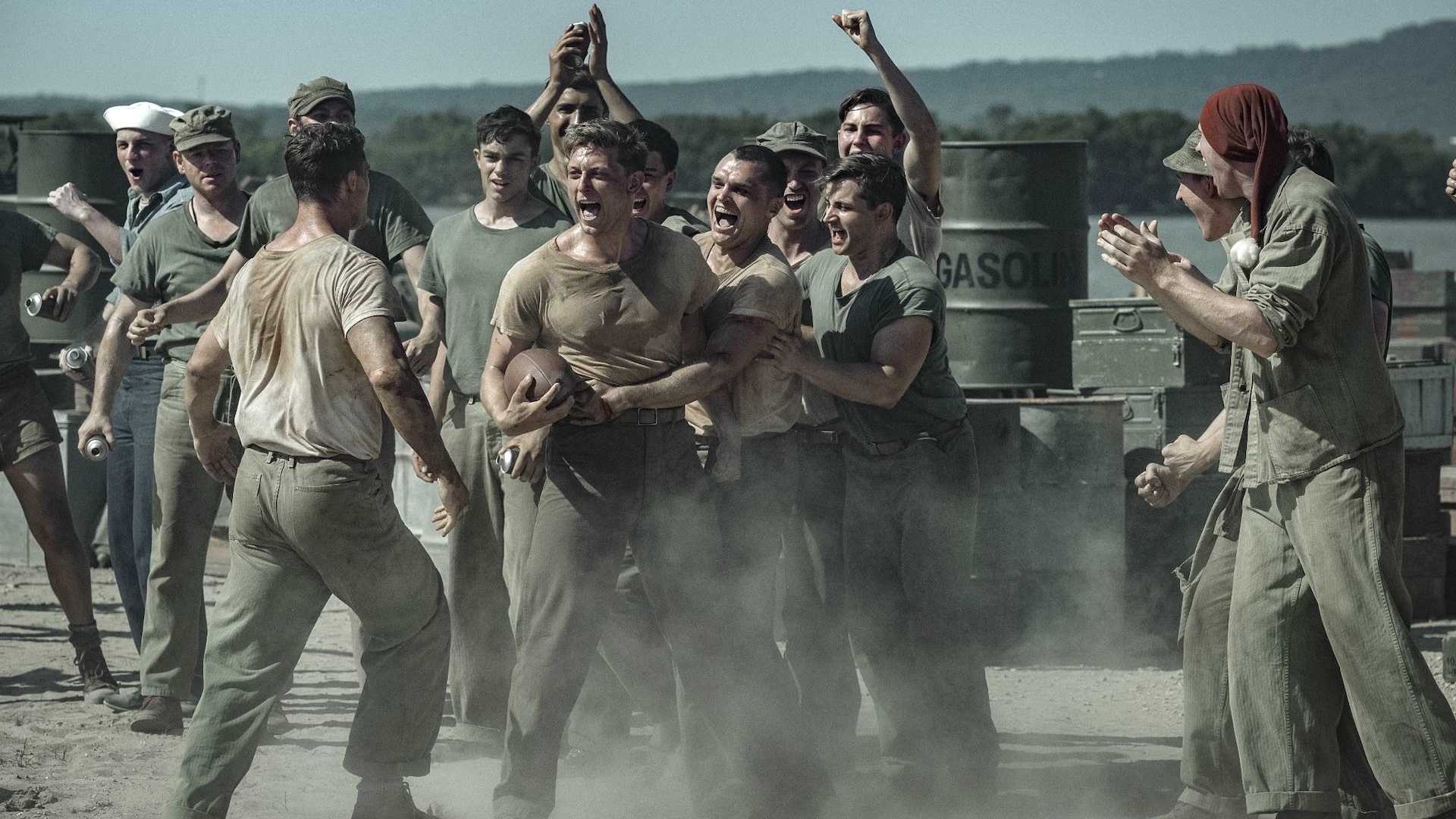
Some of their decisions may appear questionable to outsiders, but the film emphasizes the impossible circumstances in which those choices are made.
Rather than romanticizing warfare, Berg wants to explore what happens to ordinary human beings when survival becomes their only priority.
With Climax serving as an unexpected influence on its visual approach, The Mosquito Bowl is shaping up to be a World War II drama that prioritizes psychological intensity and the terrifying reality of combat over conventional battlefield spectacle.