Congratulations!
You've earned 1 point
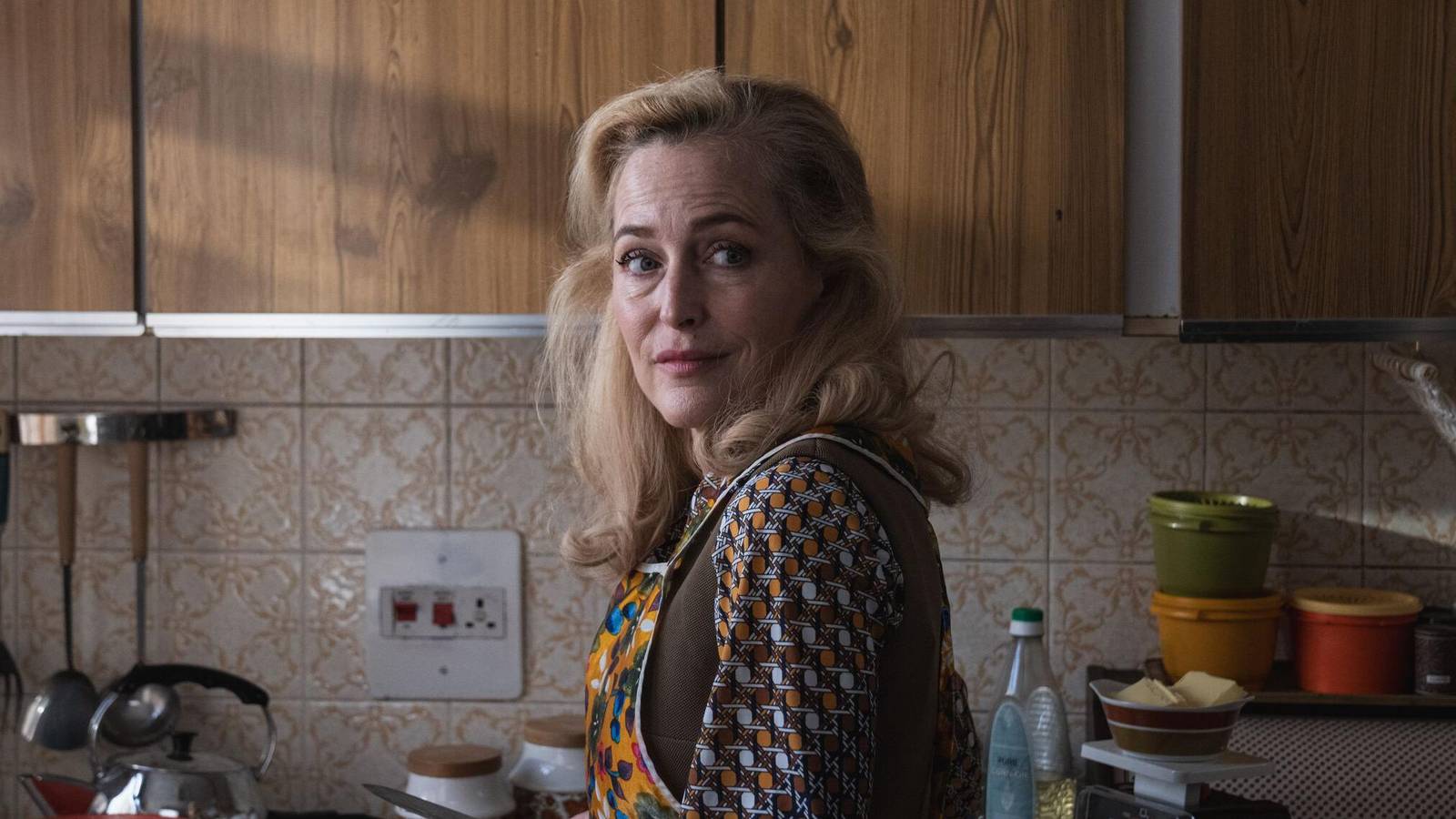
Trespasses Review: Gillian Anderson’s Period Drama Is Undone by a Lackluster Romance
Trespasses arrives in the United States with many of the ingredients of a compelling period drama: 1975 Belfast, the violence of The Troubles, a forbidden relationship across the Catholic-Protestant divide, and strong performances from Lola Petticrew and Tom Cullen.
The four-part adaptation of Louise Kennedy’s novel understands the historical setting remarkably well. Its portrayal of The Troubles is often painful, intimate, and beautifully restrained. Unfortunately, the central romance never reaches the same level, and the series struggles to decide which of its many stories deserves the most attention.
The result is a drama with considerable potential that repeatedly pulls itself in different directions.
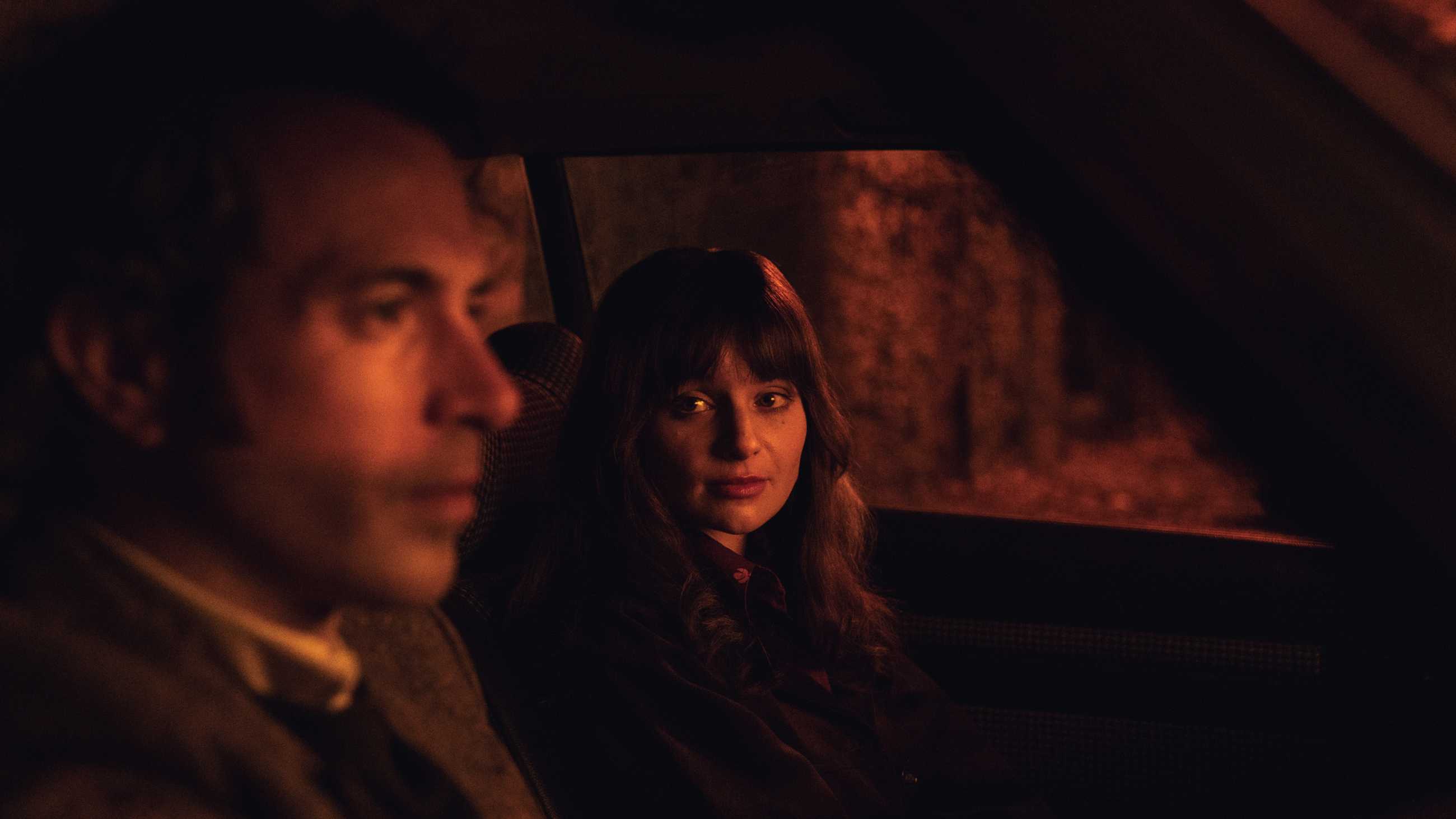
Channel 4 originally aired Trespasses in the UK in November 2025. PBS brings the series to American audiences beginning September 20, 2026. The story follows Cushla, a young Catholic schoolteacher in Belfast, and Michael Agnew, an older married Protestant barrister who represents people accused of involvement with the IRA. Their relationship is dangerous from the beginning, both because of Michael’s marriage and because of the sectarian tensions surrounding them.
Petticrew and Cullen are talented performers, and the premise gives them plenty to work with. Yet the relationship at the heart of the series ultimately becomes one of its weakest elements.
Trespasses Captures the Reality of The Troubles
The strongest aspect of Trespasses is unquestionably its depiction of Northern Ireland during The Troubles.
Set in Belfast in 1975, the series places Cushla’s everyday life inside a society shaped by violence, political division, and systemic discrimination against the Catholic minority. The show doesn’t treat that history as distant background material. The conflict is present in ordinary routines, conversations, workplaces, schools, and even the language people use.
Cushla encounters Ring of Steel checkpoints on her way to school. As a teacher, she has to explain the political situation to children while trying to protect them from the realities surrounding their community. She also experiences sexual harassment and bigotry from British soldiers and loyalists.
Even small details communicate the atmosphere. Graffiti on a wall may contain only a few words, but it immediately establishes the political environment. The use of Gaelic becomes another source of tension, with the language being controlled and discouraged.
The larger political story is equally important. Michael’s work defending people accused of IRA involvement puts him directly in contact with the conflict, while Catholic characters experience police brutality and other forms of discrimination.
What makes these elements particularly effective is the restraint. Trespasses doesn’t rely on graphic depictions of death or explosions to communicate the horror of the period. Many deaths and bombings happen offscreen, but their consequences remain present throughout the story.
That approach makes the violence feel like part of everyday life rather than spectacle.
For viewers already familiar with The Troubles, the series’ historical details will likely be easier to follow. International audiences without that background may find the story more difficult to navigate because Trespasses assumes a certain familiarity with the conflict.
Even so, the show’s understanding of the period is one of its greatest strengths.
The Series Has Too Many Stories Competing for Attention
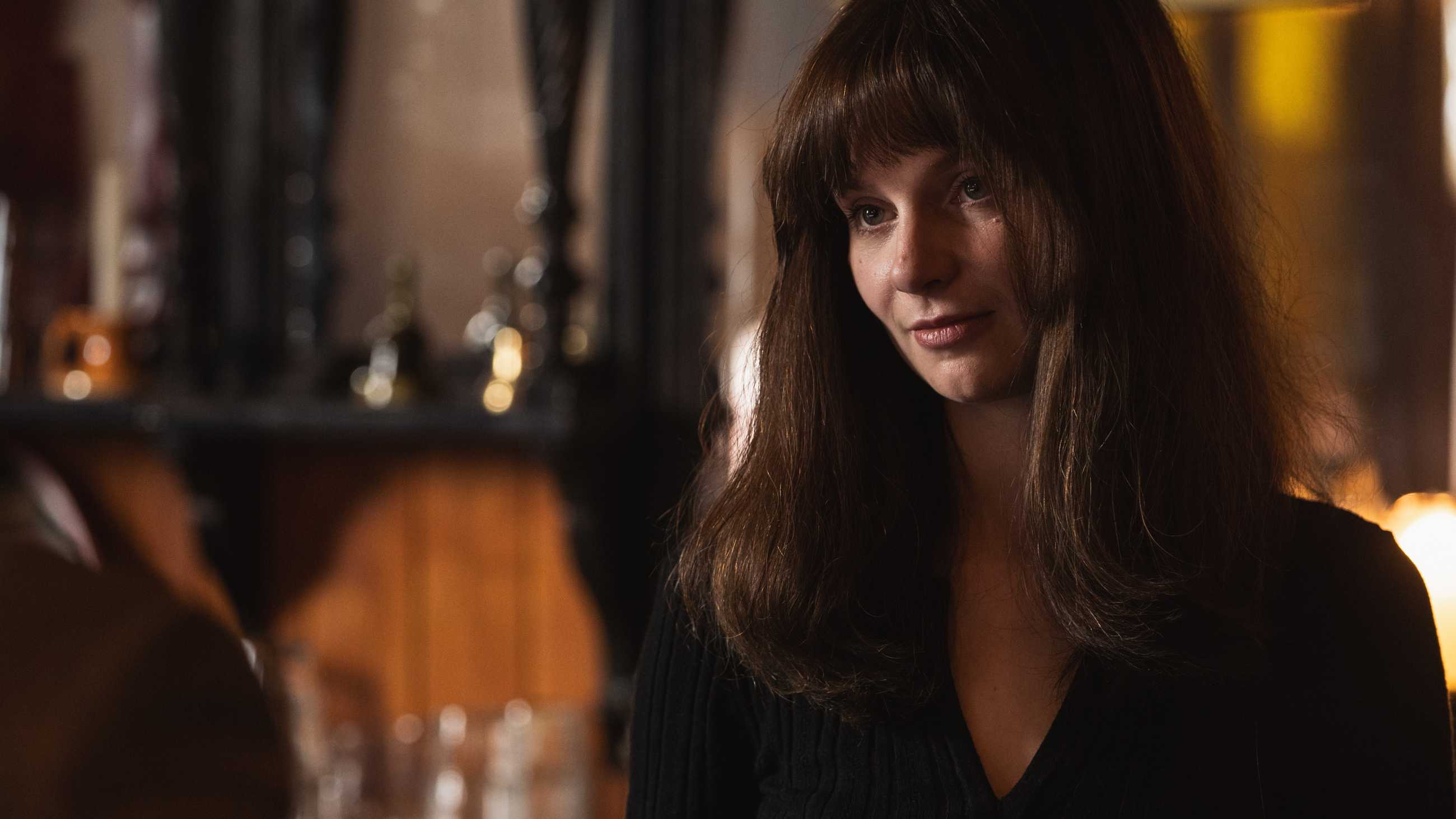
The problem is that Trespasses doesn’t always know what kind of drama it wants to be.
The series is promoted primarily as a forbidden romance between a young Catholic schoolteacher and an older Protestant barrister. But the romance is only one part of the story.
There is also a family drama centered on Cushla’s alcoholic mother and the family bar. Her work as a teacher introduces another major storyline involving one of her students and his struggling family. Meanwhile, the political violence of The Troubles remains a constant presence.
Each of these threads has the potential to sustain a compelling drama. The difficulty is that the series tries to give all of them significant attention within a four-hour runtime.
The transitions between storylines can therefore feel abrupt. One moment, the series is building its central romance with an upbeat pop song playing over scenes of Cushla and Michael together. Soon afterward, it shifts to the devastating reality of a family struggling to afford food after a parent is brutally injured because of the conflict.
The contrast isn’t inherently a problem. Great television can move between warmth and despair. Here, however, the shifts sometimes feel disconnected because the series hasn’t established a strong enough narrative rhythm to bring its different elements together.
The result is a constant tug-of-war between the romance, Cushla’s family life, her relationship with her student, and the political drama unfolding around her.
A longer series might have had more room to develop those threads. In its existing format, the competing storylines often leave each other feeling underdeveloped.
Michael and Cushla’s Romance Never Becomes Convincing
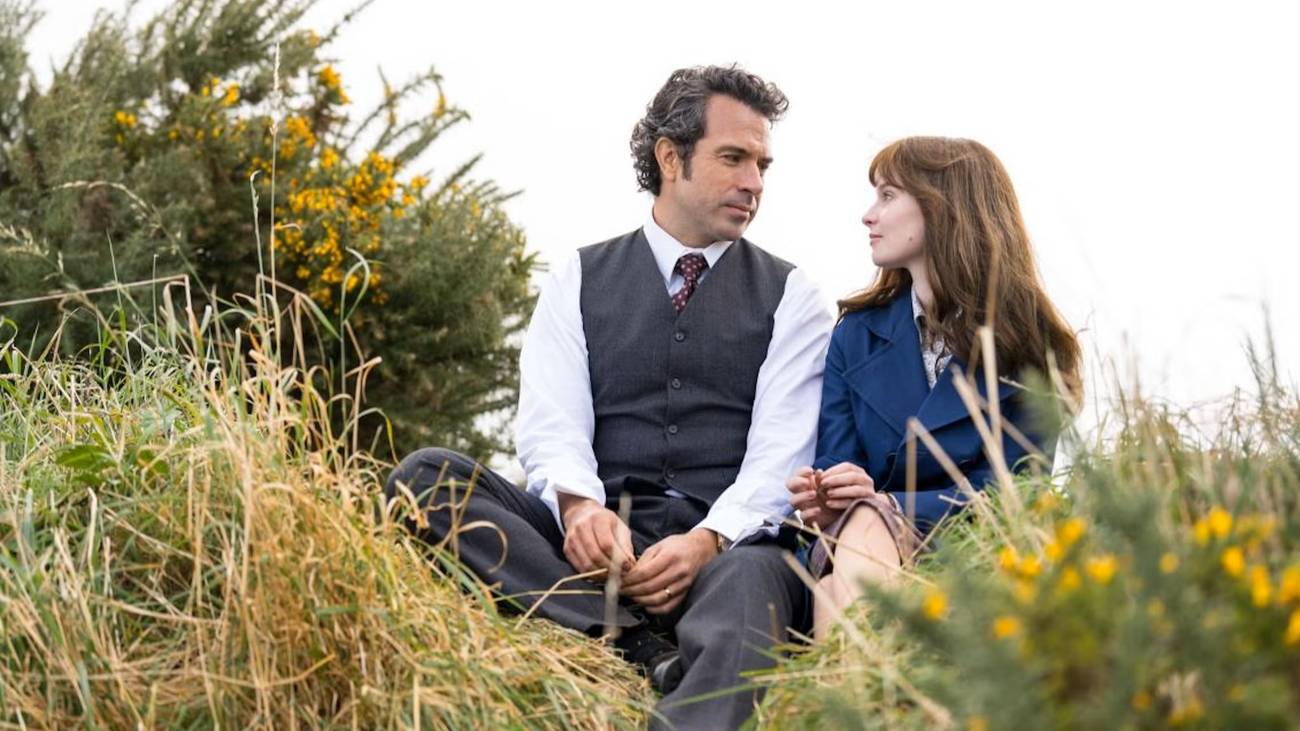
The biggest weakness is the relationship between Cushla and Michael.
Infidelity is already a difficult foundation for a romance, but that isn’t necessarily enough to doom a story. A complicated relationship can still work if the characters are sufficiently developed and the emotional connection between them is convincing.
Unfortunately, Trespasses gives Michael too many qualities that make it difficult to understand why Cushla would remain drawn to him.
There is an obvious power imbalance. Cushla is a young schoolteacher, while Michael is an established and high-profile barrister. The series doesn’t do much to lessen that imbalance. Instead, some of Michael’s behavior makes it more pronounced.
The age difference also becomes visually noticeable. Tom Cullen is 41, while Lola Petticrew is 30, an 11-year difference. That gap isn’t particularly unusual for television, but the way the two characters are styled makes it feel larger. Petticrew looks considerably younger, while Cullen’s Michael is presented as noticeably older than his actual age, at times appearing closer to his 50s.
Whether that was intentional or not, it works against the romance.
Cushla is considerably easier to connect with. She is compassionate and warm despite her flaws, and the series gives viewers a stronger understanding of who she is. Her decision to become involved with a married man reveals a significant moral weakness, but it doesn’t erase the care she shows toward her mother or the struggling family connected to one of her students.
Petticrew brings considerable presence to the role, giving Cushla an emotional warmth that helps carry the weaker parts of the story.
Michael doesn’t receive the same level of characterization.
He is a womanizer who isn’t honest with his partners about his infidelity. His friends do little to improve the impression he makes. More troublingly, his repeated phone calls to Cushla after she doesn’t respond can come across as manipulative rather than romantic. He expects her to make herself available whenever he wants to see her, which makes his behavior feel controlling.
His relative lack of bigotry compared with some of the other characters gives him some redeeming qualities, particularly given the political circumstances around him. But that alone isn’t enough to make him a compelling romantic lead.
It’s particularly disappointing because Cullen is clearly committed to the performance. The problem lies less with the actor than with the character he’s been given.
The Sex Scenes Don’t Add Much to the Story
The central romance is further weakened by the show’s frequent sex scenes.
There is nothing inherently wrong with an explicit romance, and intimate scenes can be important when they reveal something about characters or change the direction of a relationship. Here, however, many of the scenes feel unnecessary.
The choreography is relatively unremarkable, and the sequences rarely deepen the relationship enough to justify the amount of screen time they receive.
That time could have been used to develop Michael further, strengthen the relationship between Cushla and the other characters, or explore the wider political and family storylines.
Cushla and the McGeowns Provide the Series’ Most Moving Relationship
Ironically, the relationship that works best in Trespasses isn’t the central romance at all.
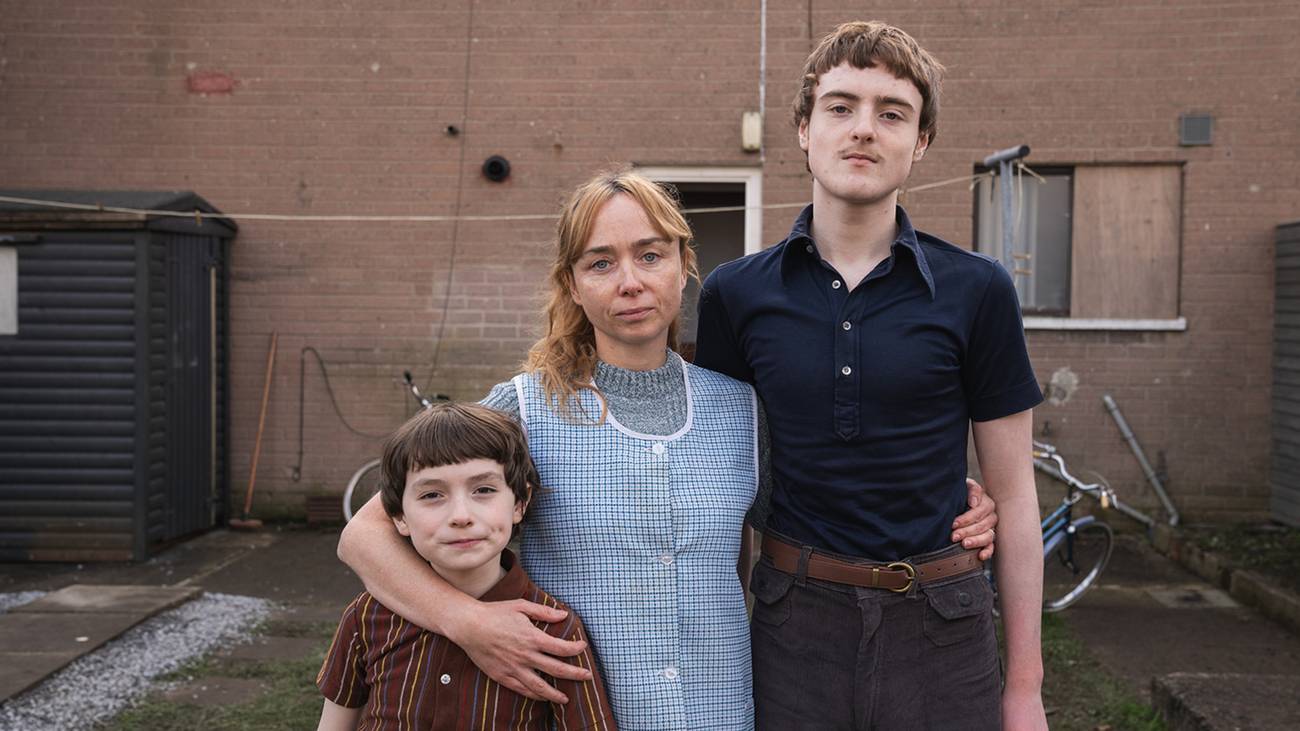
Cushla’s connection with the McGeowns is considerably more affecting, particularly her relationship with Davy. Her concern for the boy and her determination to help his family give the character a meaningful sense of purpose outside her affair with Michael.
The young actor playing Davy gives a strong performance, making the character feel genuine rather than simply serving as a plot device.
The McGeowns’ storyline also allows Trespasses to explore other dimensions of life during The Troubles. Their experience reflects the prejudices faced by mixed-faith marriages as well as the economic difficulties affecting families in Northern Ireland during the conflict.
These scenes give Cushla’s compassion real weight. They also provide the kind of emotional connection that the romance with Michael often lacks.
That makes it frustrating that the series doesn’t spend more time here.
The relationship between Cushla and the McGeowns could have provided a much stronger emotional foundation for the series, particularly alongside the historical material. Instead, much of the limited runtime is devoted to a romance that struggles to make its central couple convincing.
A Beautiful Setting Can’t Fully Rescue an Unfocused Drama
There is a great deal to admire in Trespasses. The production understands the period, the performances are strong, and its treatment of The Troubles is often heartbreaking without becoming exploitative.
The series also succeeds at showing how political violence reaches into ordinary life. It affects where Cushla can go, what she can say, how she teaches her students, how people view one another, and even which parts of their culture they are allowed to express openly.
But the show never finds a consistent balance between those elements.
Its strongest material concerns Cushla’s life within her family, her work, the McGeowns, and the wider reality of The Troubles. Its weakest material is the relationship that is supposed to anchor the series.
For viewers primarily interested in historical drama, Trespasses has plenty to offer. Those expecting a sweeping forbidden romance may find the central relationship much less satisfying.
The series premieres on PBS on September 20, 2026, with episodes available through PBS.org, the PBS app, and PBS Passport. The four-part drama will also air weekly on PBS on Sundays.
Watch the Trespasses Trailer
PBS has released an official one-minute series preview featuring Cushla and Michael’s relationship against the escalating violence of Belfast in 1975.
A 30-second official trailer is also available from PBS, highlighting Cushla’s affair, her mother’s deteriorating situation, and the political pressures closing in around her.