Netflix’s Six-Part World War II Documentary Exposes the Terrifying Rise of Hitler and the Nazi Leaders Who Faced Justice
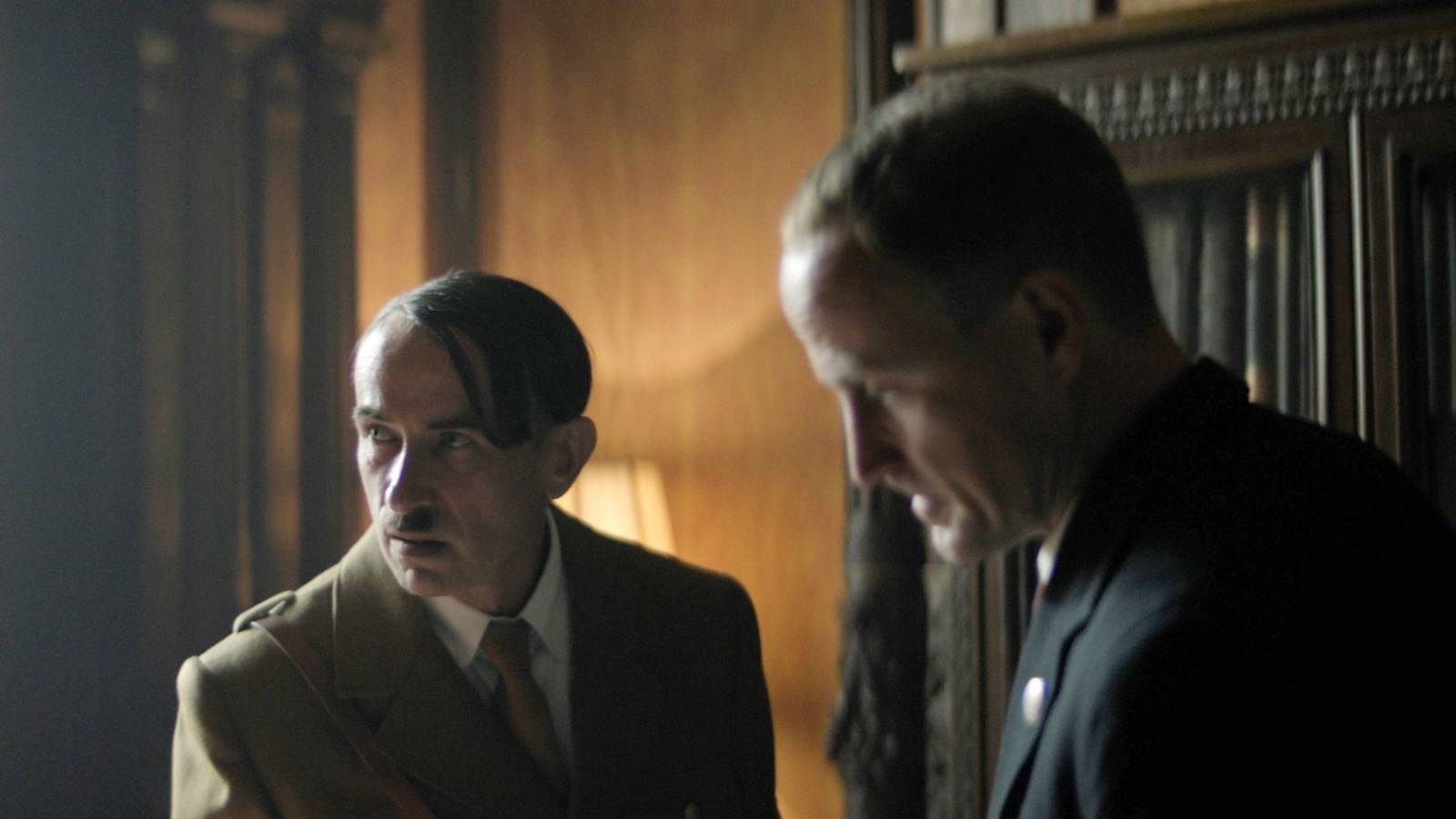
Netflix has an unsettling historical documentary series that examines one of the darkest periods in modern history, revealing how Adolf Hitler rose to power and how the Nazi regime was eventually brought before an international tribunal.
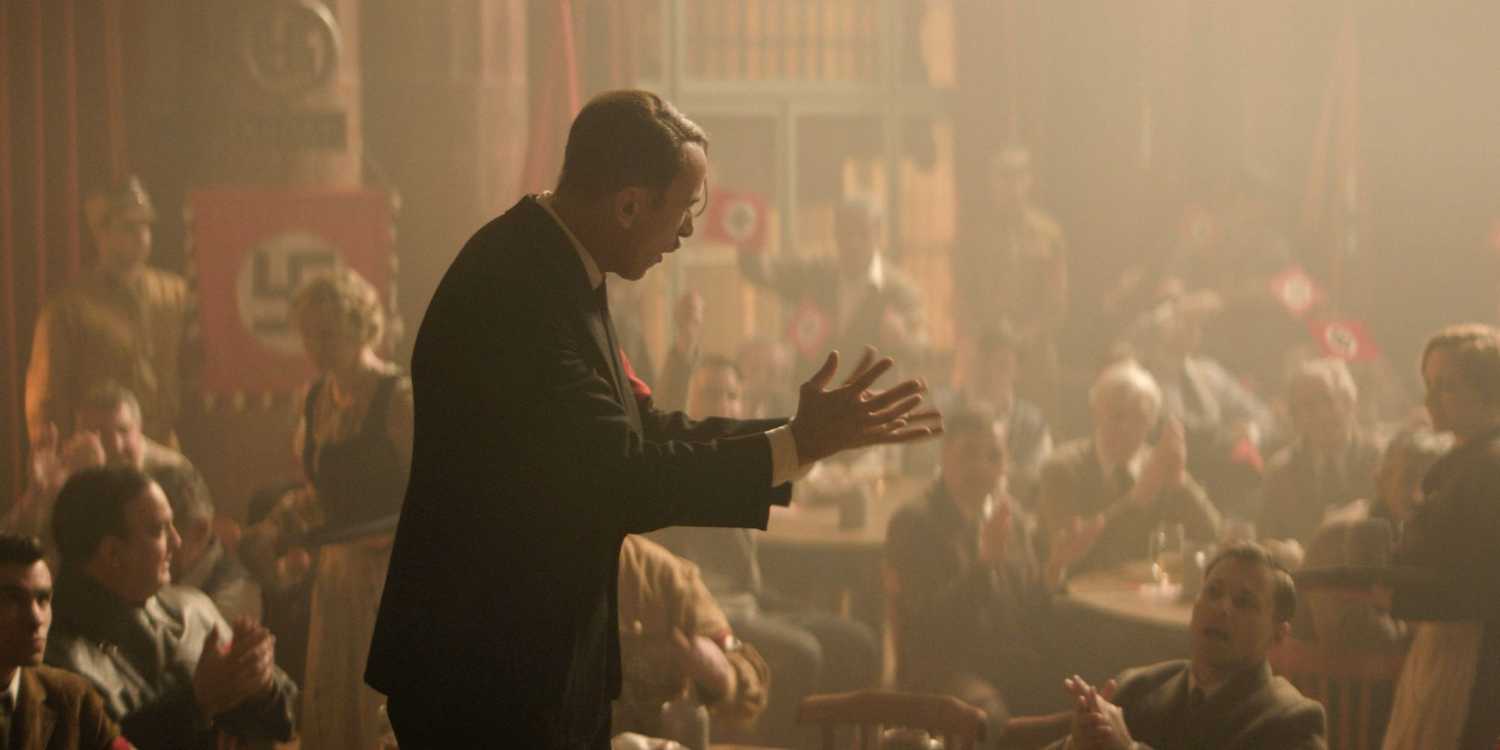
Hitler and the Nazis: Evil on Trial combines rare archival footage, dramatic reconstructions and expert historical analysis to explore the events that led to World War II and the atrocities committed under Nazi rule.
Directed by Joe Berlinger, the six-part series goes beyond traditional battlefield documentaries, focusing on the political decisions, social conditions and institutional failures that allowed authoritarianism to take hold.
At the centre of the story are the Nuremberg Trials, where surviving senior Nazi officials faced prosecution for their actions during the war.
Netflix Documentary Explores How Hitler Rose to Power
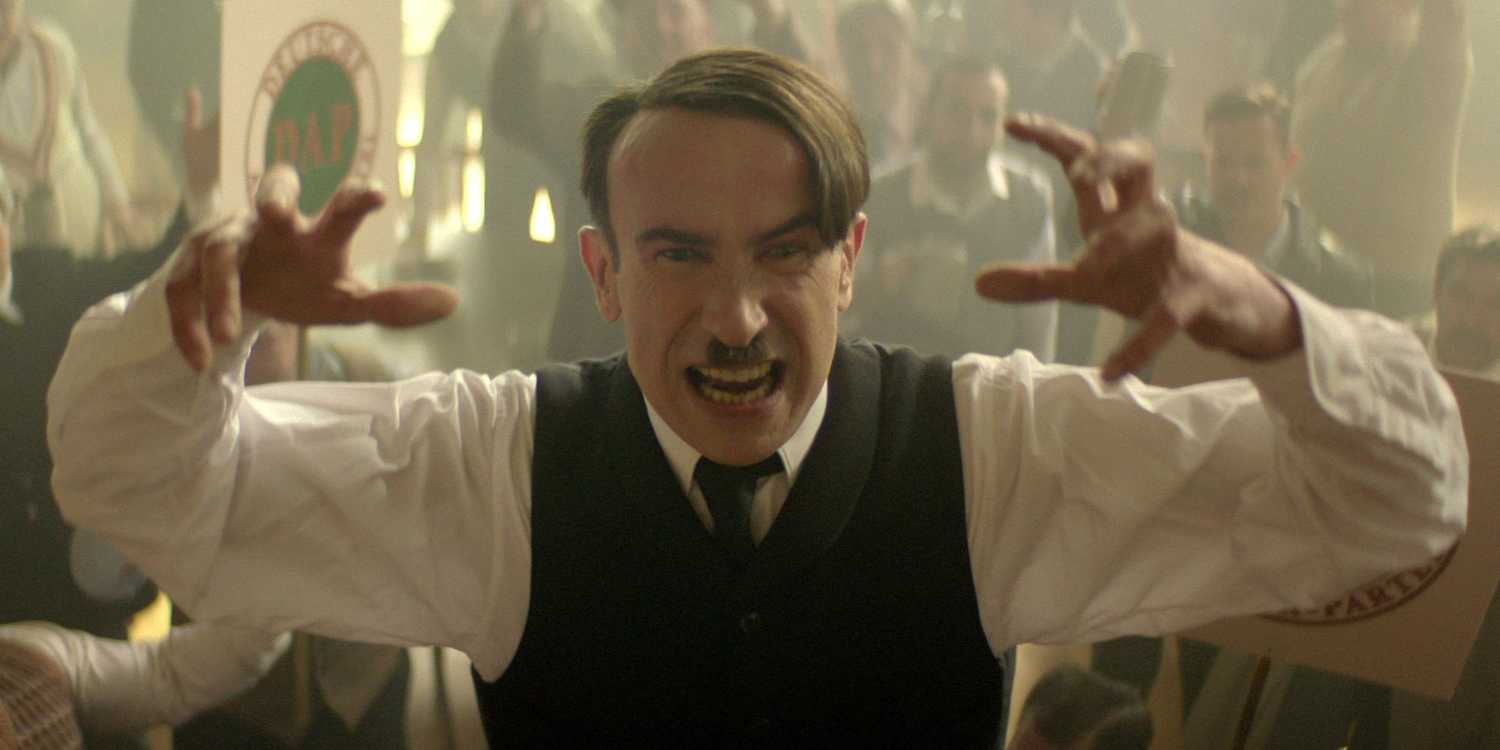
Rather than beginning with the outbreak of World War II, Hitler and the Nazis: Evil on Trial traces the political instability that followed Germany’s defeat in World War I.
The documentary examines the collapse of the German Empire, the creation of the Weimar Republic and the economic and social turmoil that helped extremist movements gain support.
Through archival material, reconstructed scenes and commentary from historians, viewers are shown how Hitler and the National Socialist German Workers’ Party exploited national resentment and political uncertainty.
The series also examines how Nazi propaganda and the gradual dismantling of democratic institutions enabled the regime to consolidate power.
This historical context is essential to the documentary’s central argument: the Holocaust and the wider crimes of the Nazi regime did not emerge without warning or historical causes.
Nuremberg Trials Reveal the Scale of Nazi Atrocities
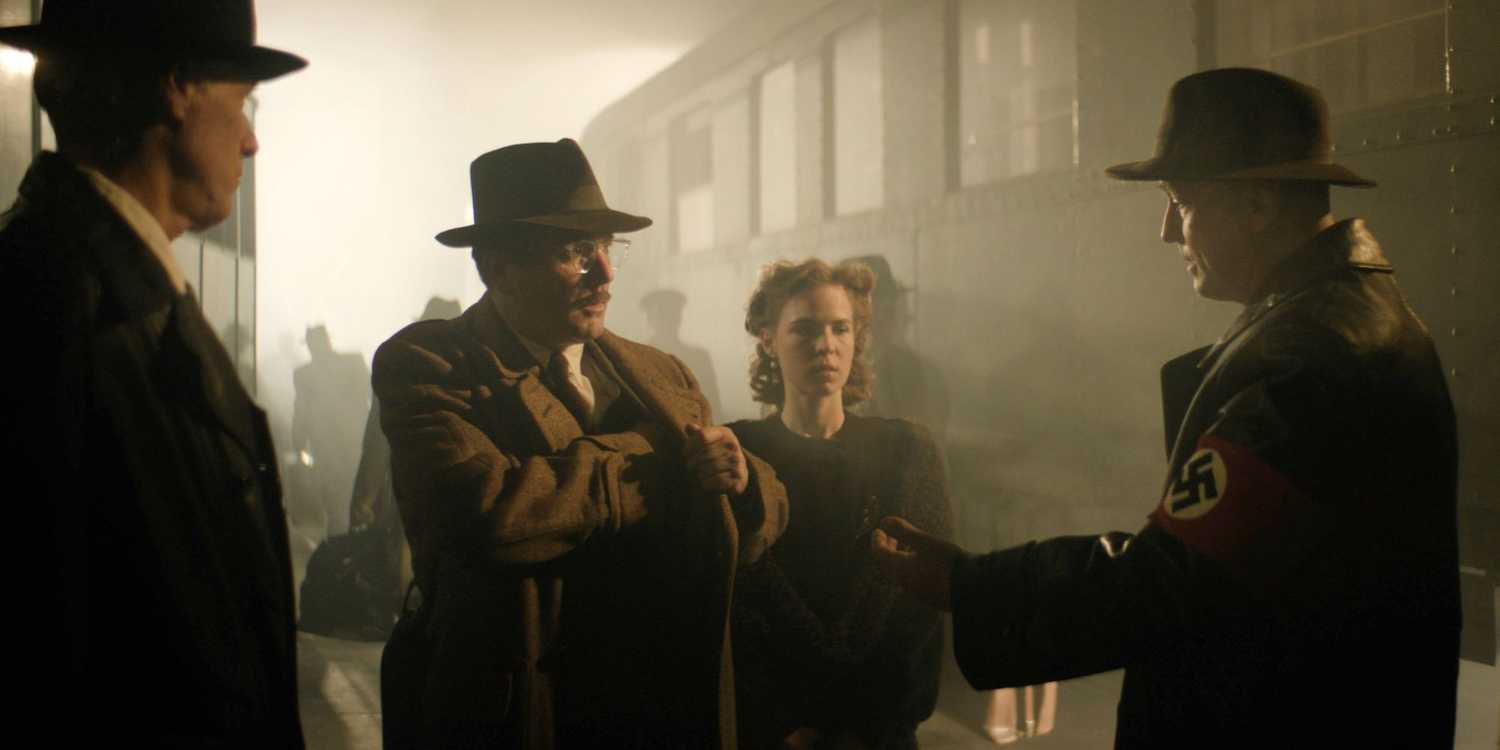
One of the documentary’s most powerful elements is its examination of the Nuremberg Trials.
Following Germany’s defeat in 1945, senior Nazi leaders were prosecuted before an international military tribunal established by the Allied powers.
Nuremberg was a particularly symbolic location because the city had previously hosted enormous Nazi Party rallies.
By the time the proceedings began, much of the city had been devastated by the war.
The tribunal confronted unprecedented legal questions involving aggressive warfare, war crimes and crimes against humanity.
Evidence presented during the trials included disturbing footage documenting Nazi atrocities and the systematic persecution and murder of millions of people.
The documentary uses this material to show not only what happened during the Holocaust but also how the international community attempted to establish accountability afterward.
Director Joe Berlinger Wanted Younger Viewers to Understand the Warning Signs
Berlinger approached the project with the intention of making complex historical events accessible to audiences who may be unfamiliar with the period.
By combining original recordings and archival footage with dramatic reconstructions, the series attempts to create an engaging narrative without losing sight of the historical evidence.
Speaking to Time, the filmmaker emphasised that “democracy is fragile” and warned that “normal people can do horrific things”.
Those ideas shape the documentary’s examination of how ordinary citizens, government officials and institutions became involved in or tolerated the Nazi regime’s actions.
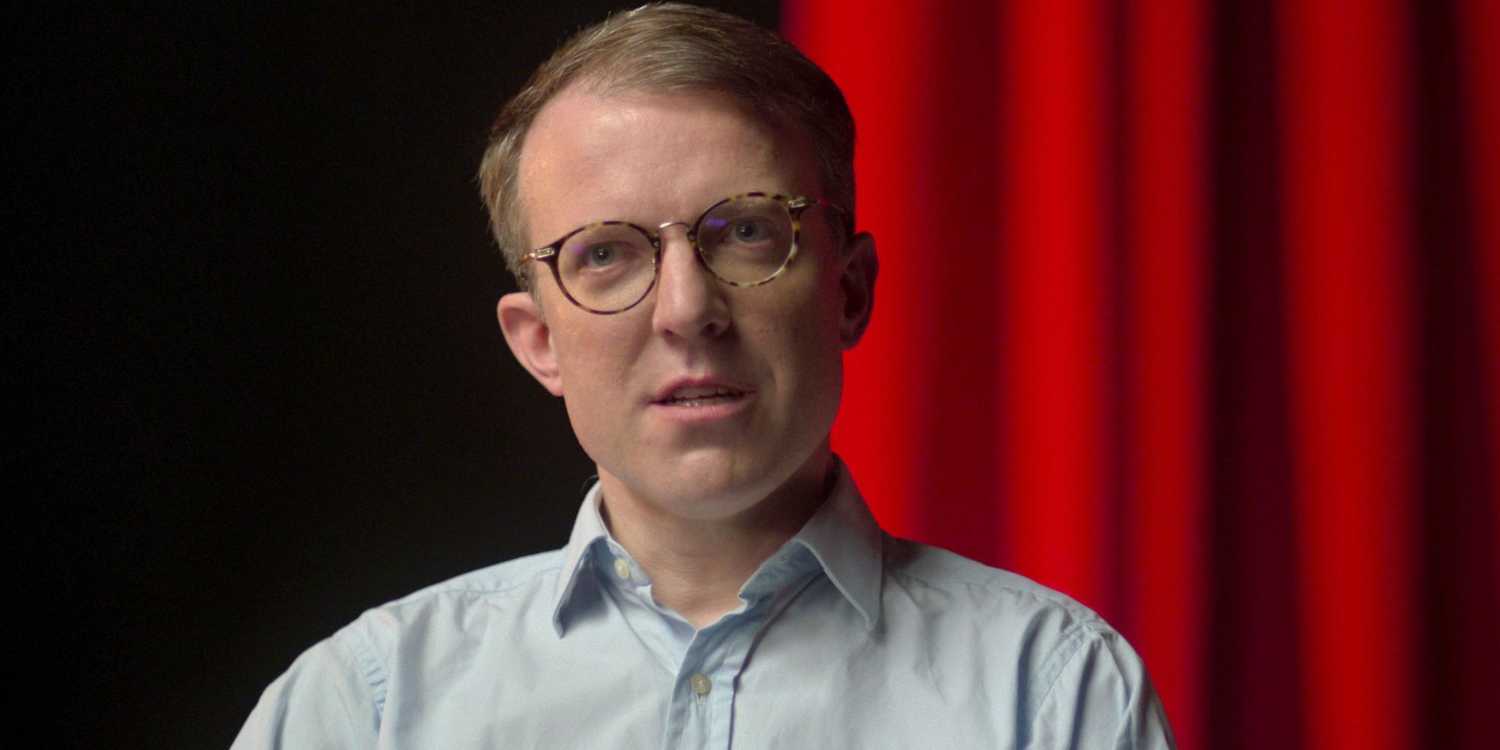
Boston College historian Devin Pendas offers a particularly striking observation during the series.
“It’s not that a handful of evil men can do evil things. It’s that a handful of evil men can convince a large majority of ordinary men to help them do evil things.”
His statement captures one of the documentary’s central themes: understanding mass atrocities requires examining the systems and social conditions that enable them.
Why This World War II Documentary Stands Apart
Unlike many World War II productions that concentrate primarily on military campaigns and famous battles, Hitler and the Nazis: Evil on Trial places greater emphasis on political history, ideology and legal accountability.
The series moves between Hitler’s rise, the consequences of Nazi rule and the courtroom proceedings that followed Germany’s defeat.
Its visual reconstructions make the narrative accessible, while historical footage reinforces the reality of the events being examined.
Some material is deeply distressing, particularly the evidence relating to the Holocaust and Nazi persecution.
However, the documentary presents those images within a broader examination of responsibility, justice and the dangers of authoritarian government.

For history enthusiasts seeking a serious, thought-provoking examination of World War II, Hitler and the Nazis: Evil on Trial offers six episodes that explore not just how the Nazi regime gained power, but how its surviving leaders were ultimately called to account.