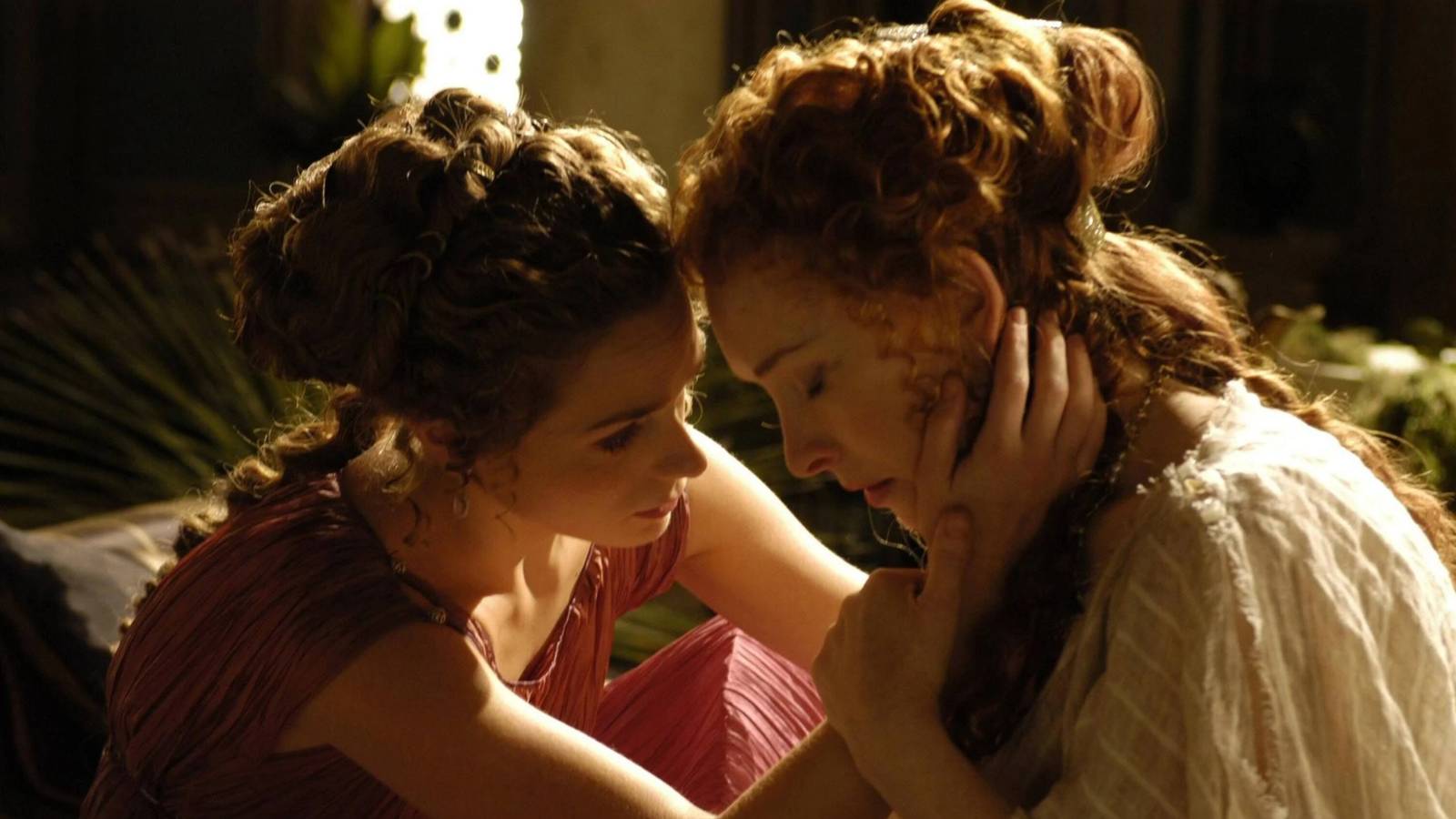
HBO’s Seven-Time Emmy-Winning Historical Epic Was Cancelled After Just Two Seasons Despite Plans For A Five-Season Story — Nearly 20 Years Later, The $10 Million-Per-Episode Drama That Paved The Way For Game Of Thrones Deserves Another Chance
Long before Game of Thrones became a television phenomenon, HBO delivered an extraordinarily ambitious historical epic that combined brutal warfare, forbidden romance, political betrayal and the rise of one of history’s greatest empires.
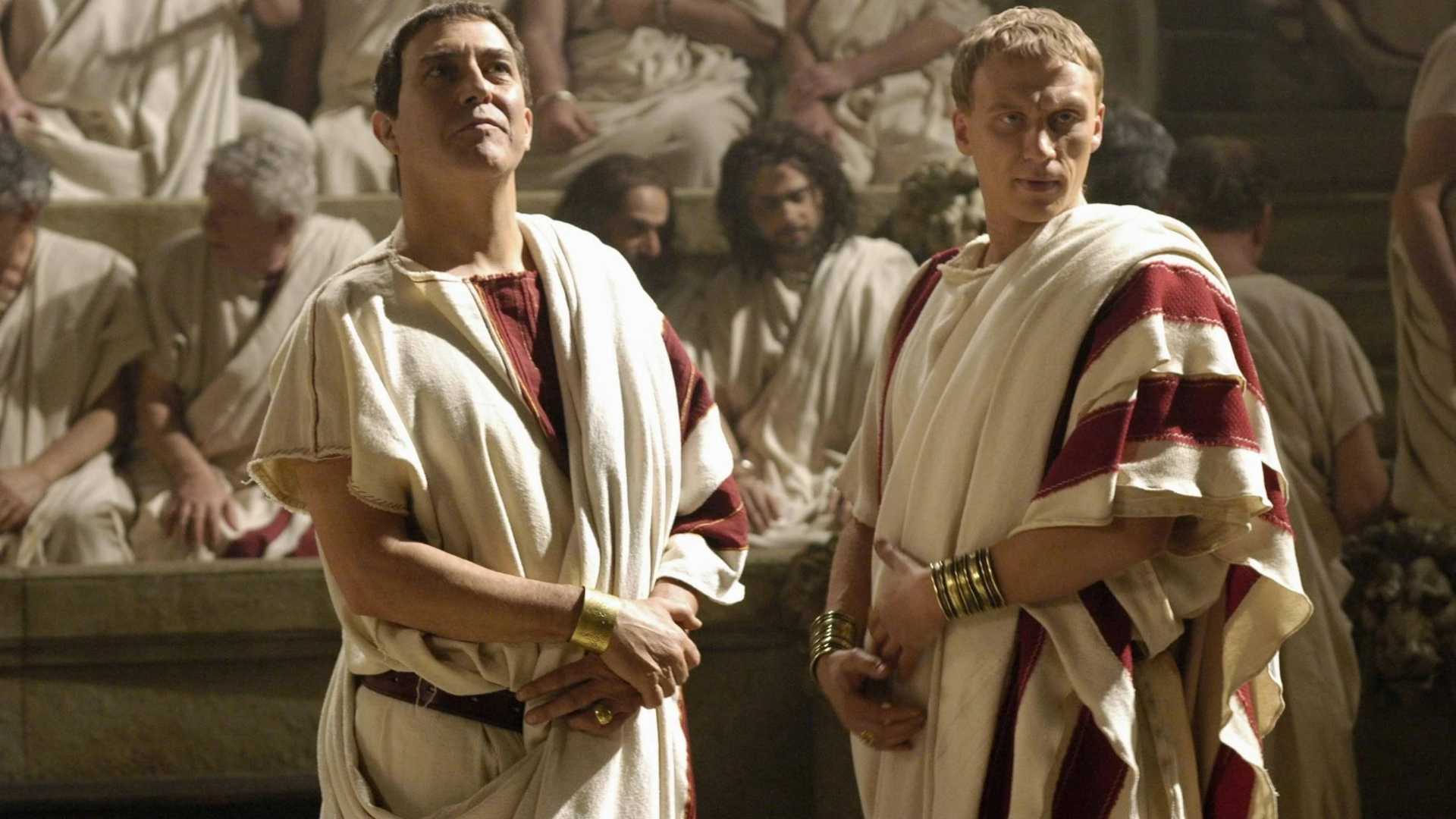
Premiering in 2005, Rome featured an exceptional ensemble cast including Kevin McKidd, Ray Stevenson, Ciarán Hinds, Kerry Condon and Tobias Menzies.
The series collected seven Emmy Awards across two seasons, yet its enormous production costs brought the acclaimed drama to a premature end in 2007.
A Magnificent Historical Epic Cut Tragically Short
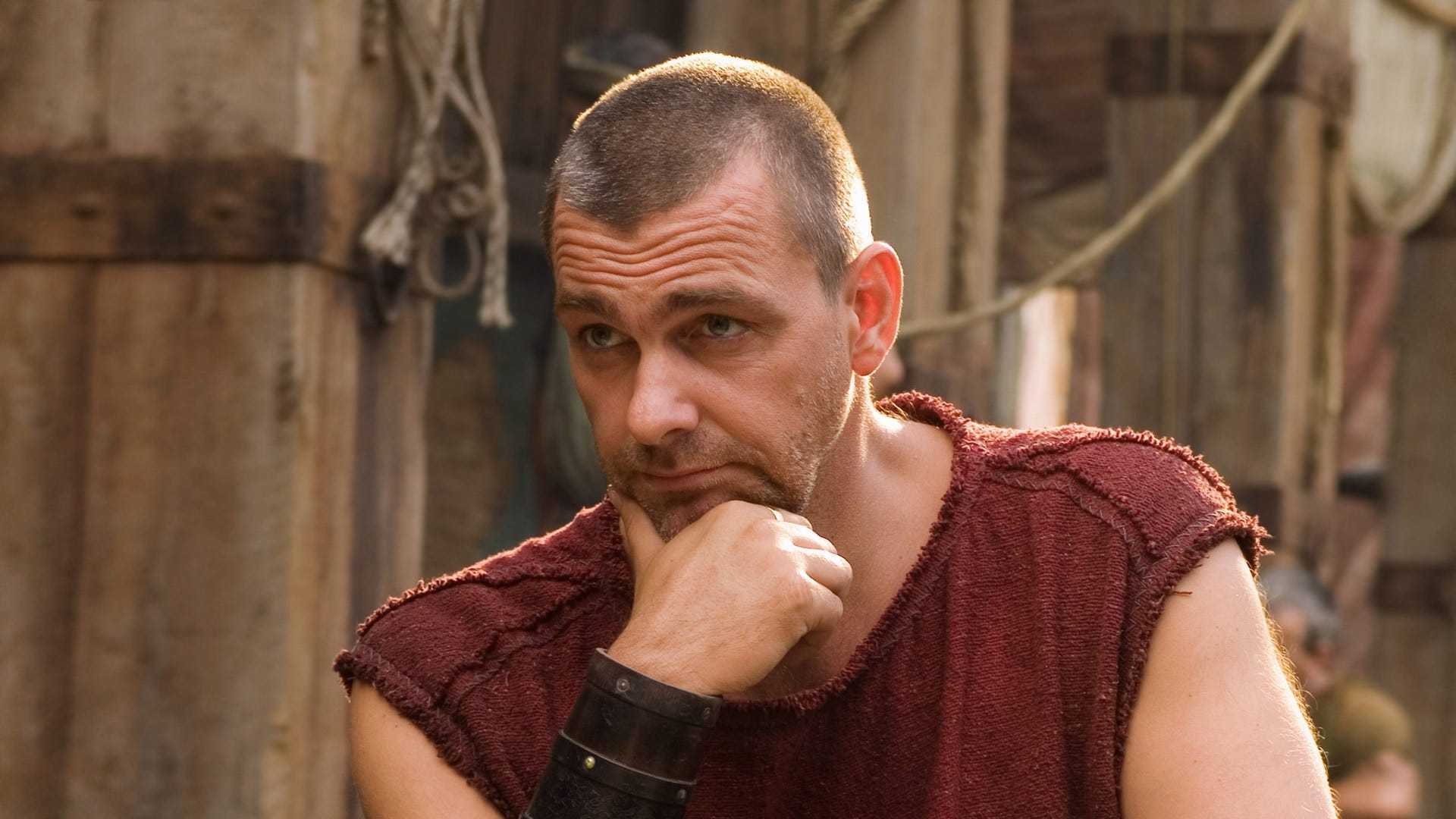
Set during the first century BC, Rome chronicles the turbulent transformation of the Roman Republic into an empire.
Real historical figures share the screen with fictionalised characters as political ambitions, personal rivalries and military conflicts reshape the ancient world.
At the heart of the sprawling narrative are Roman soldiers Lucius Vorenus and Titus Pullo, played by McKidd and Stevenson, whose experiences provide a more intimate perspective on extraordinary historical events.
However, the HBO and BBC co-production cost approximately $10 million per episode, making the series exceptionally expensive for its time.
Despite critical acclaim, declining ratings and mounting production expenses contributed to its cancellation.
The original five-season plan would have explored decades of Roman history, extending beyond Rome into Egypt and potentially Palestine. Instead, storylines intended for later seasons were compressed into the second.
Why Rome Deserves A Modern Revival
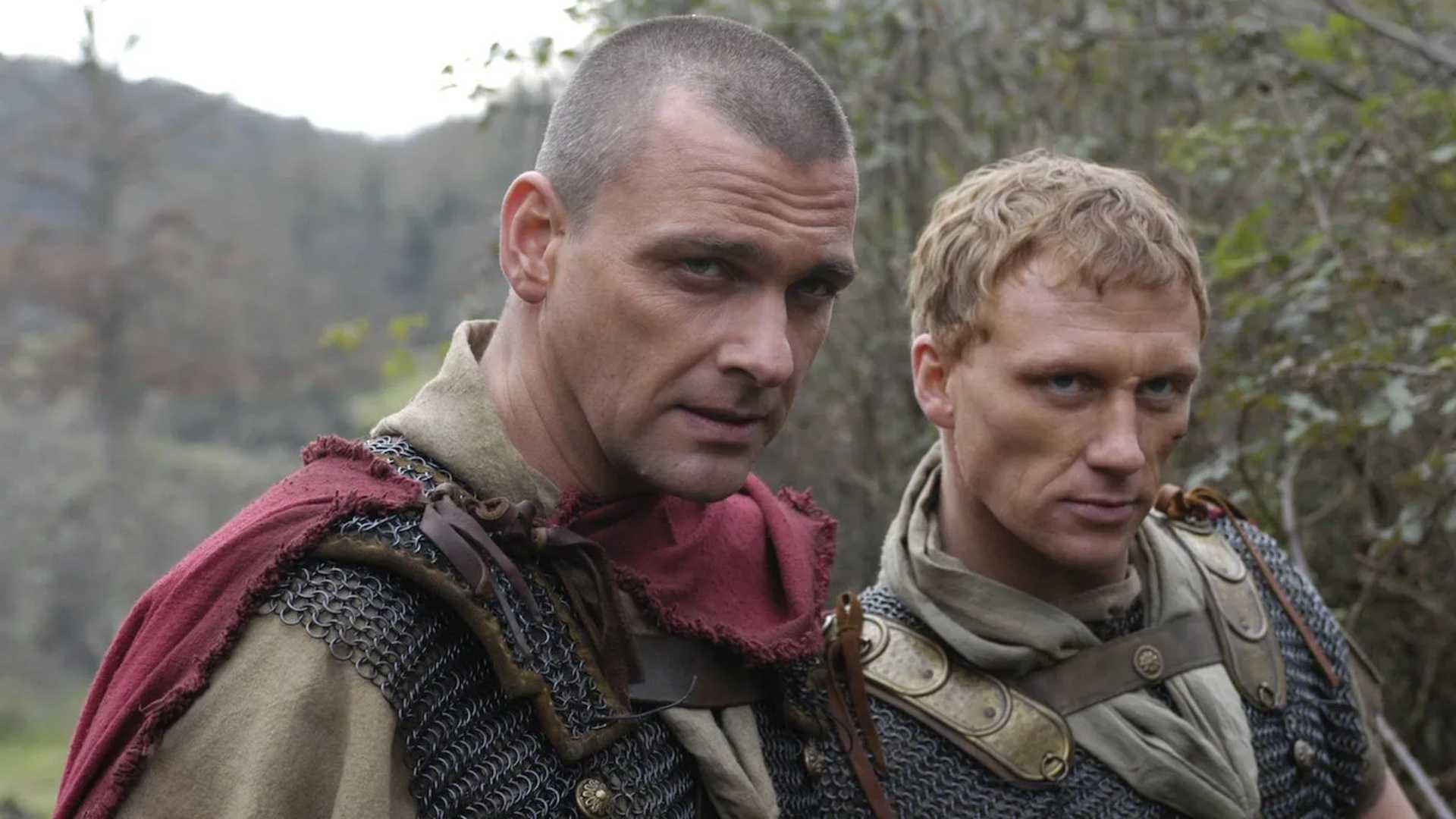
The enduring popularity of historical epics such as Spartacus and House of Ashur demonstrates the continuing appeal of sword-and-sandal television.
MovieWeb argues that a modern revival of Rome could succeed by adopting a more sustainable production budget and an anthology format.
Rather than following the same protagonists throughout multiple seasons, each instalment could explore different historical figures, military campaigns and pivotal moments across the Roman Empire.
Such an approach would offer opportunities to introduce new characters, explore different civilisations and attract prominent guest stars without sacrificing the grandeur that made the original so compelling.
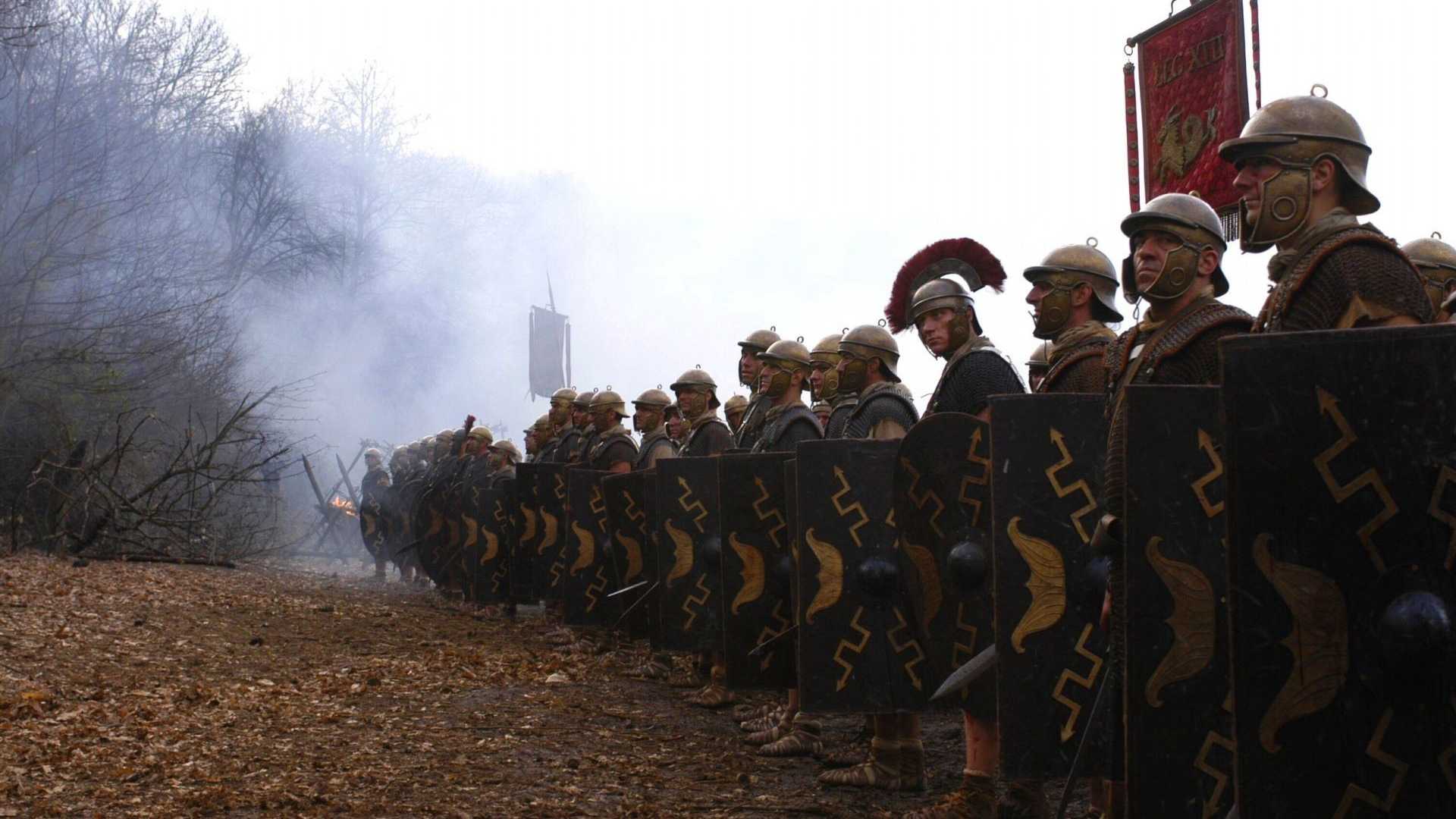
No official reboot has been announced, but the possibilities remain tantalising.
Rome was never short of ambition, exceptional performances or captivating stories. Its greatest limitation was the cost of bringing that extraordinary world to life — and nearly two decades later, its unfinished potential remains difficult to ignore.