The Historical Details That Set Barbarians Apart
One of the series’ most distinctive choices is its use of language to emphasize the divide between Roman and Germanic cultures. Roman characters speak Latin, while the Germanic tribes speak modern German.
Although modern German is a practical substitute rather than a reconstruction of the languages spoken by Germanic communities in antiquity, the contrast helps make the cultural conflict immediately clear.
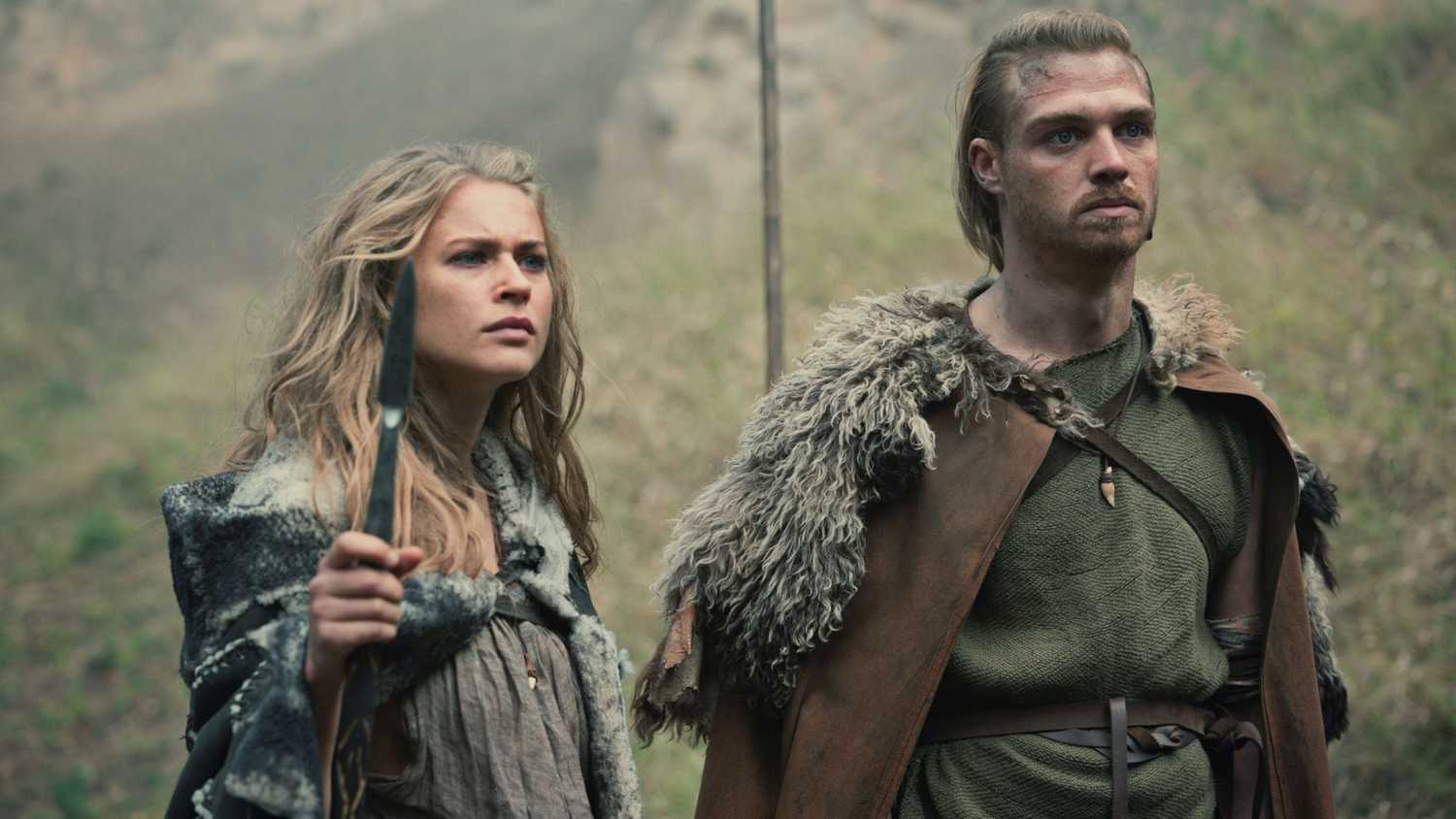
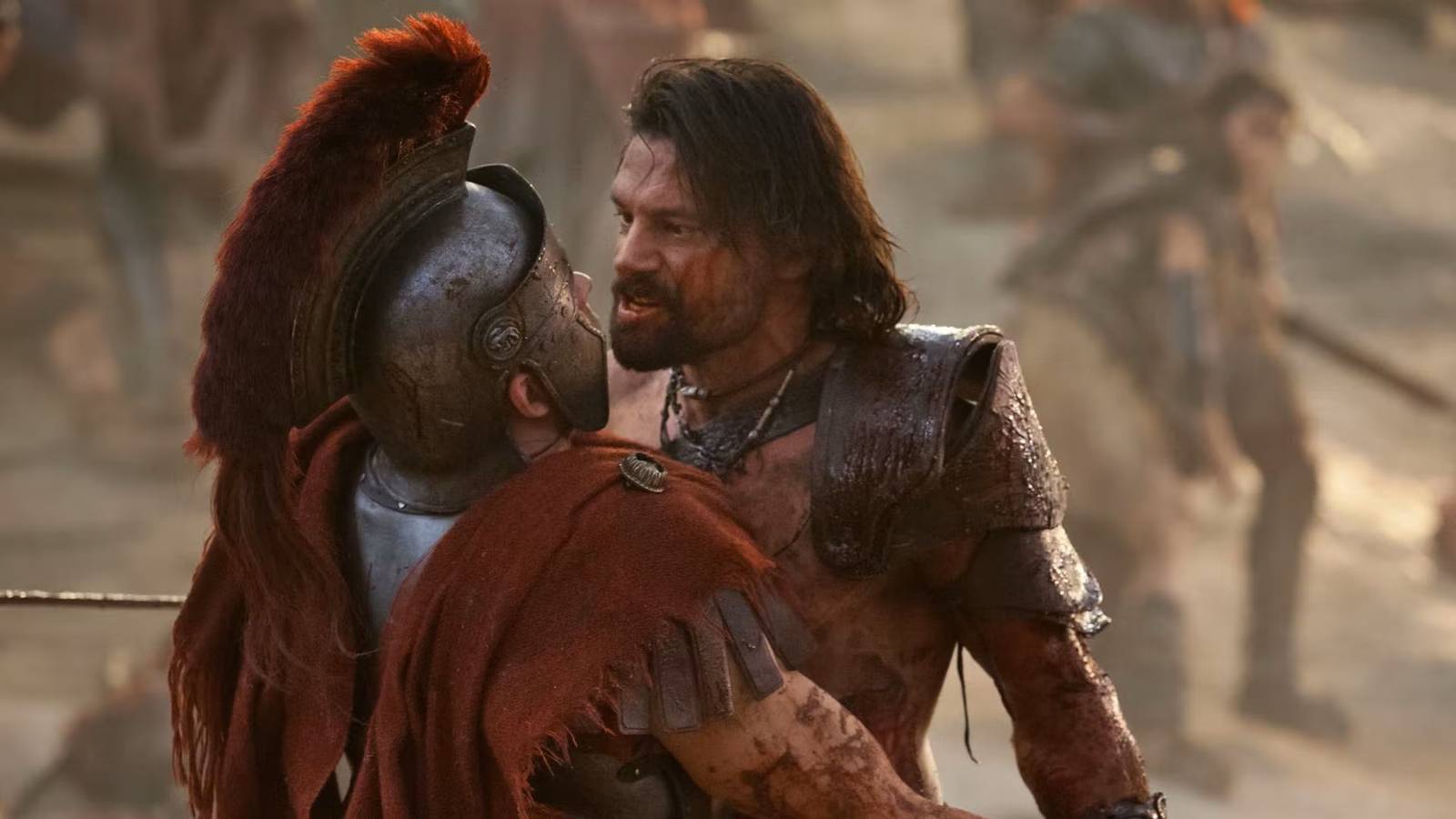
The production also pays close attention to the visual details of the period, from costumes and weapons to military equipment. Historian Michael Taylor gave the depiction of the Battle of the Teutoburg Forest an 8 out of 10 for historical authenticity, highlighting details such as armor, helmets, furs and face masks.
Some of the Roman headgear shown in the series was inspired by archaeological finds at Kalkriese in Germany, a site associated with the historic battle.
These elements help establish a convincing sense of place while allowing the drama to retain its focus on action, political conflict and personal stakes.
How It Compares With Spartacus
Although both series explore resistance to Roman power, they have distinctly different styles.
Spartacus is known for its exaggerated violence, heightened drama and fast-moving action. Barbarians, by contrast, takes a more measured approach, allowing its political tensions and character relationships to develop before the conflict reaches its breaking point.
Its muddy settlements, imposing forests and rugged landscapes reinforce the harshness of the ancient world. The cinematography and production design give the series a grounded, often oppressive atmosphere that complements its brutal combat sequences.
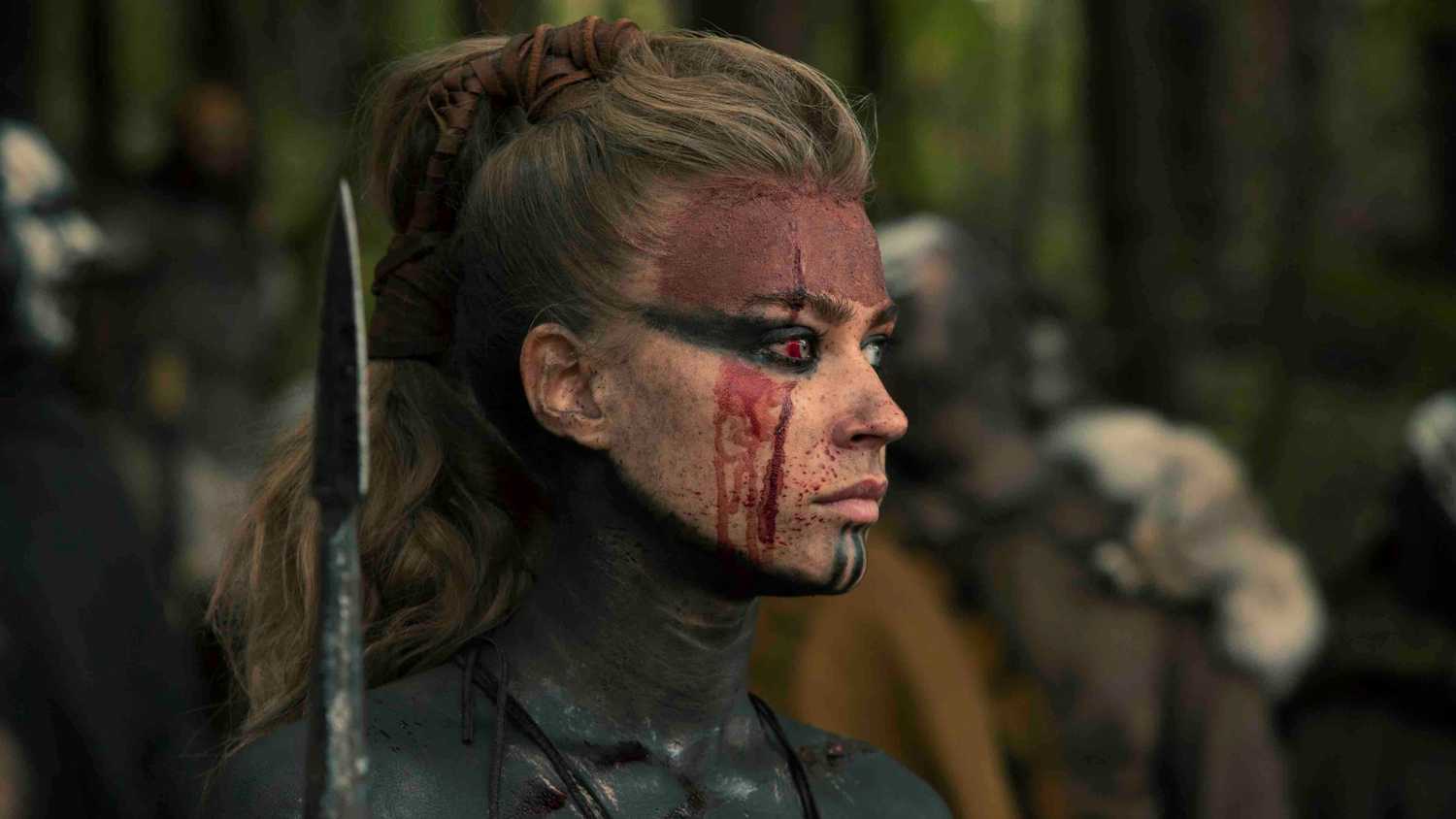
The performances add further depth. Laurence Rupp portrays Arminius as a man caught between two identities, with loyalties that become increasingly difficult to reconcile. Daniel Donskoy appears as Flavus, bringing another layer of complexity to the story’s family ties and divided allegiances.
Combined with its atmospheric soundtrack and large-scale battle scenes, the series creates an immersive experience without simply copying the style of Spartacus.
Two Seasons, 12 Episodes and an 86% Rotten Tomatoes Score
Running for two seasons between 2020 and 2022, Barbarians consists of just 12 episodes. Its 86% critics’ score on Rotten Tomatoes, as cited in the original report, makes it a compelling option for viewers seeking a historical drama with a strong critical reception.
The relatively short episode count is another advantage for anyone looking for an intense story without committing to a long-running series.
Fans of HBO’s Rome, the military action of Centurion and the rebellion at the center of Spartacus may find plenty to enjoy. The series also offers a different perspective for viewers interested in the Roman Empire and the Germanic tribes that resisted its expansion.
Why Barbarians Deserves Another Look
The enduring appeal of ancient-world dramas lies in more than their battles and spectacle. The strongest stories also explore power, identity, loyalty and the personal cost of resisting an overwhelming force.
Barbarians brings those themes together in a compact historical drama, balancing violent confrontations with political intrigue and characters forced to make impossible choices.
For viewers who have already enjoyed Spartacus and Gladiator, this German-language epic offers a different take on the struggle against Rome. With two seasons and 12 episodes, it is a relatively short but absorbing addition to any historical-drama watchlist.