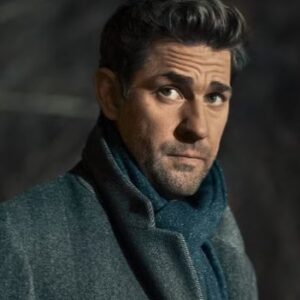
The One Question Nathan Fielder Still Can’t Get Elizabeth Holmes to Answer
Nathan Fielder’s latest documentary, You Can See Everything, gives viewers extraordinary access to Elizabeth Holmes and her family in the period leading up to her imprisonment. Yet after nearly three hours of intimate conversations, one crucial question remains unresolved: Did Holmes know that her fiancé, Billy Evans, was seeking financial compensation for their participation in the film?
Co-directed by Fielder and Lance Oppenheim, the documentary has become one of 2026’s most talked-about releases. Despite a limited theatrical run, it has reportedly earned $15 million at the box office, an impressive result for a three-hour documentary. Its unusual approach has also fuelled extensive online debate, with viewers dissecting what is genuine, what may have been staged and whether the people at the centre of the story are revealing the whole truth.
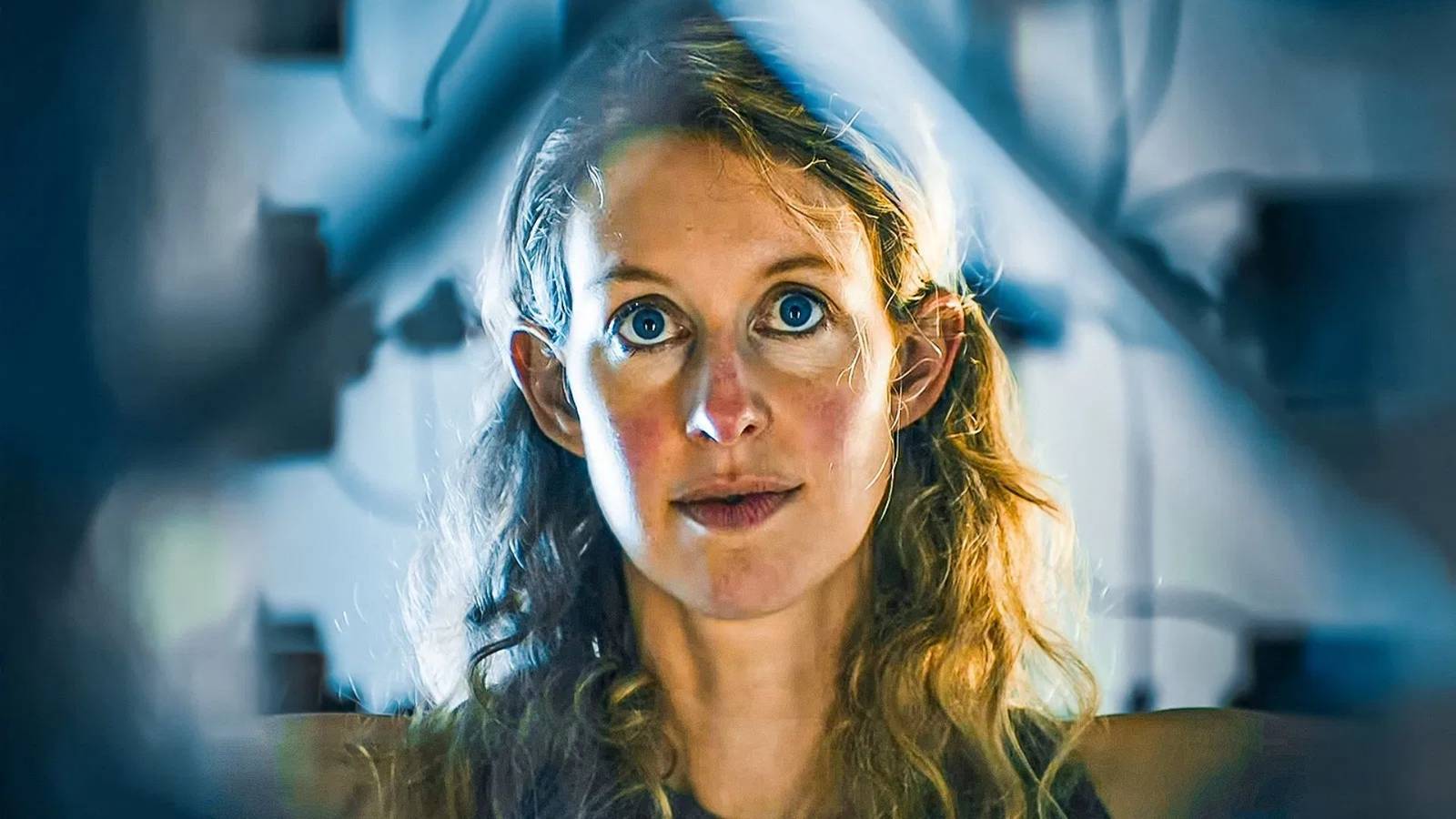
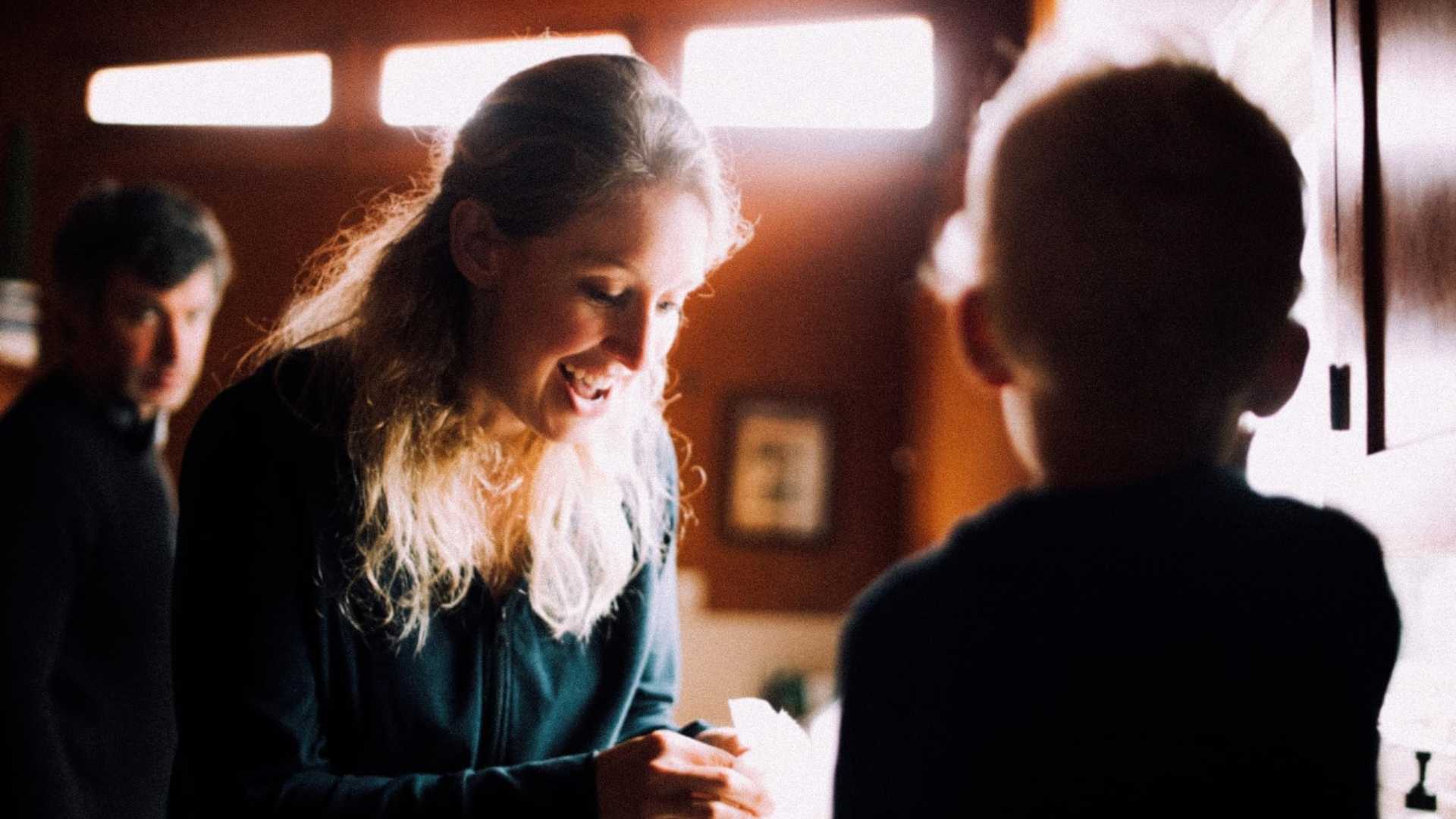
Fielder moves into the home Holmes shares with Evans, gaining access to moments of family life rarely seen by the public. His trademark interviewing style—patient, awkwardly direct and persistent—produces revealing exchanges with Holmes, her parents and Evans. A surprise appearance by an A-list guest also becomes more significant than viewers might initially expect.
But the film’s most consequential moments come from the conversations between Fielder and Holmes herself. And despite repeatedly pressing her on the issue, he never obtains a clear answer about what she knew.
The Unanswered Question at the Heart of You Can See Everything
One of the documentary’s most striking revelations concerns Evans’ request for payment in exchange for participating in the project.
According to Fielder’s account, the discussion took place during a meeting with the filmmakers and executives from A24 after Holmes had left the room to attend to her children. The sequence suggests that Evans raised the financial issue without Holmes being present.
When Fielder later asks Holmes about the arrangement during a brief conversation in prison, she acknowledges that she knew Evans had been discussing “something” with the filmmakers. However, she maintains that the financial details were not her concern.
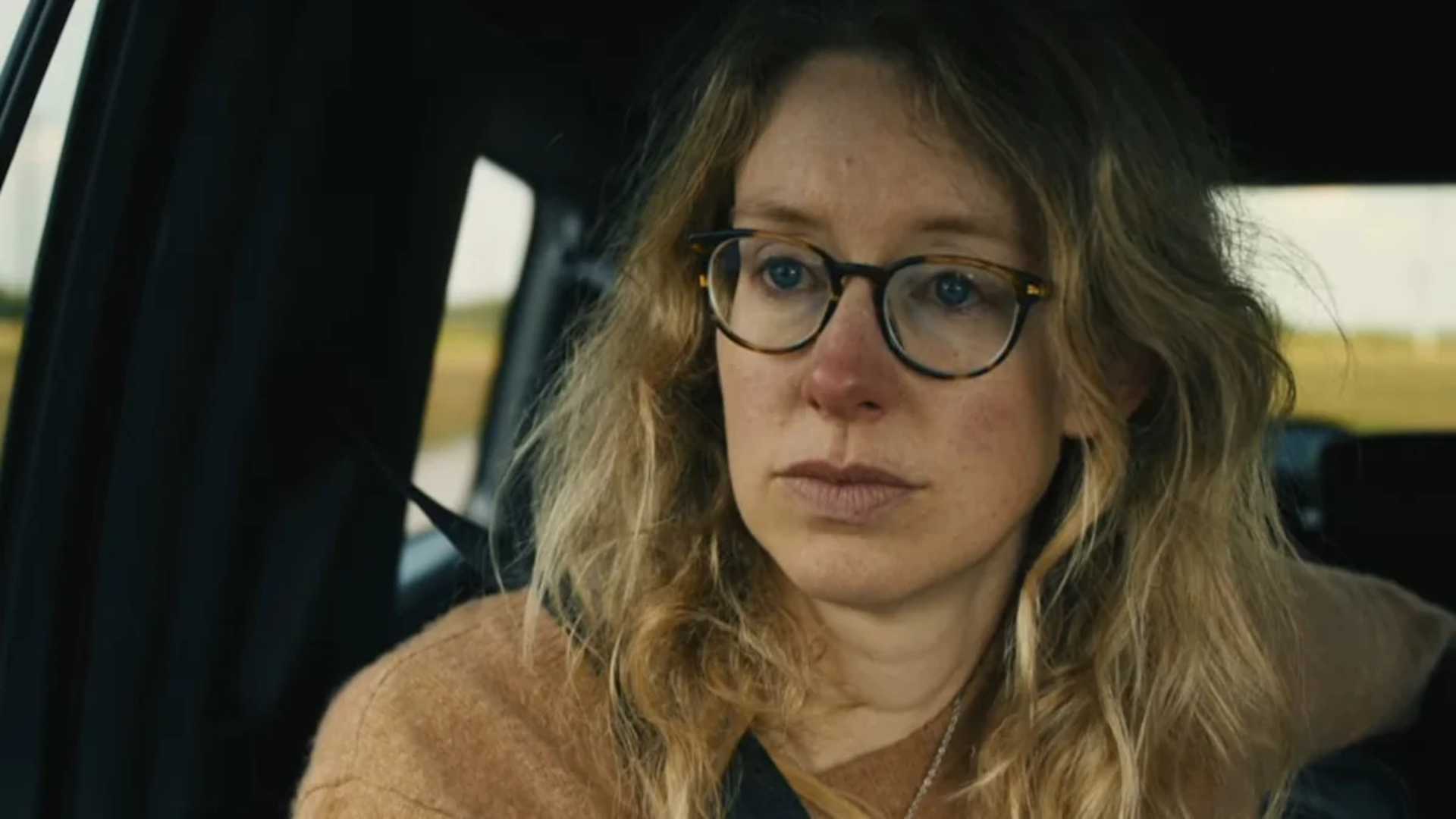
The documentary also revisits an earlier conversation in which Holmes says she was not participating for financial gain. Instead, she presents her motivation as a desire to have her version of events understood by the public.
Those statements leave Fielder with an unresolved contradiction. Did Holmes genuinely know little about Evans’ negotiations, or was she deliberately distancing herself from a deal that could affect how audiences interpreted her motives?
The film’s closing disclosure adds another layer: Evans ultimately relinquished his rights to financial compensation. That development resolves the question of whether he would receive payment, but it does not establish what Holmes knew while the negotiations were taking place.
The uncertainty matters because it affects how viewers interpret the documentary as a whole. If Holmes knew about the proposed financial arrangement, it could complicate her stated reasons for participating. If she did not, it would support a different understanding of her relationship with Evans and her role in the film.
Ultimately, Fielder cannot establish which explanation is true.
What Elizabeth Holmes Was Convicted Of
Although You Can See Everything invites viewers to reconsider Holmes’ public image, the questions raised by the documentary must be viewed alongside the established findings of her criminal case.
Holmes founded Theranos, a blood-testing company that promised to make medical testing faster and more accessible. Prosecutors argued that she misled investors about the capabilities of the company’s technology and its commercial prospects.
In January 2022, a federal jury found Holmes guilty of one count of conspiracy to commit wire fraud against investors and three counts of wire fraud involving investors. She was acquitted of several charges relating to patients, while the jury could not reach unanimous verdicts on other investor-related counts.
In November 2022, Holmes was sentenced to 135 months—11 years and three months—in federal prison for defrauding investors of hundreds of millions of dollars.
These convictions provide important context for the documentary’s portrayal of Holmes. Her account of being misunderstood and her claims about the communication problems that surrounded Theranos cannot be considered in isolation from the evidence presented at trial and the jury’s verdict.
The film, however, is not simply a retelling of that legal case. Instead, it places viewers inside Holmes’ private life and allows her to explain her own perspective, creating a tension between her account and the established record.
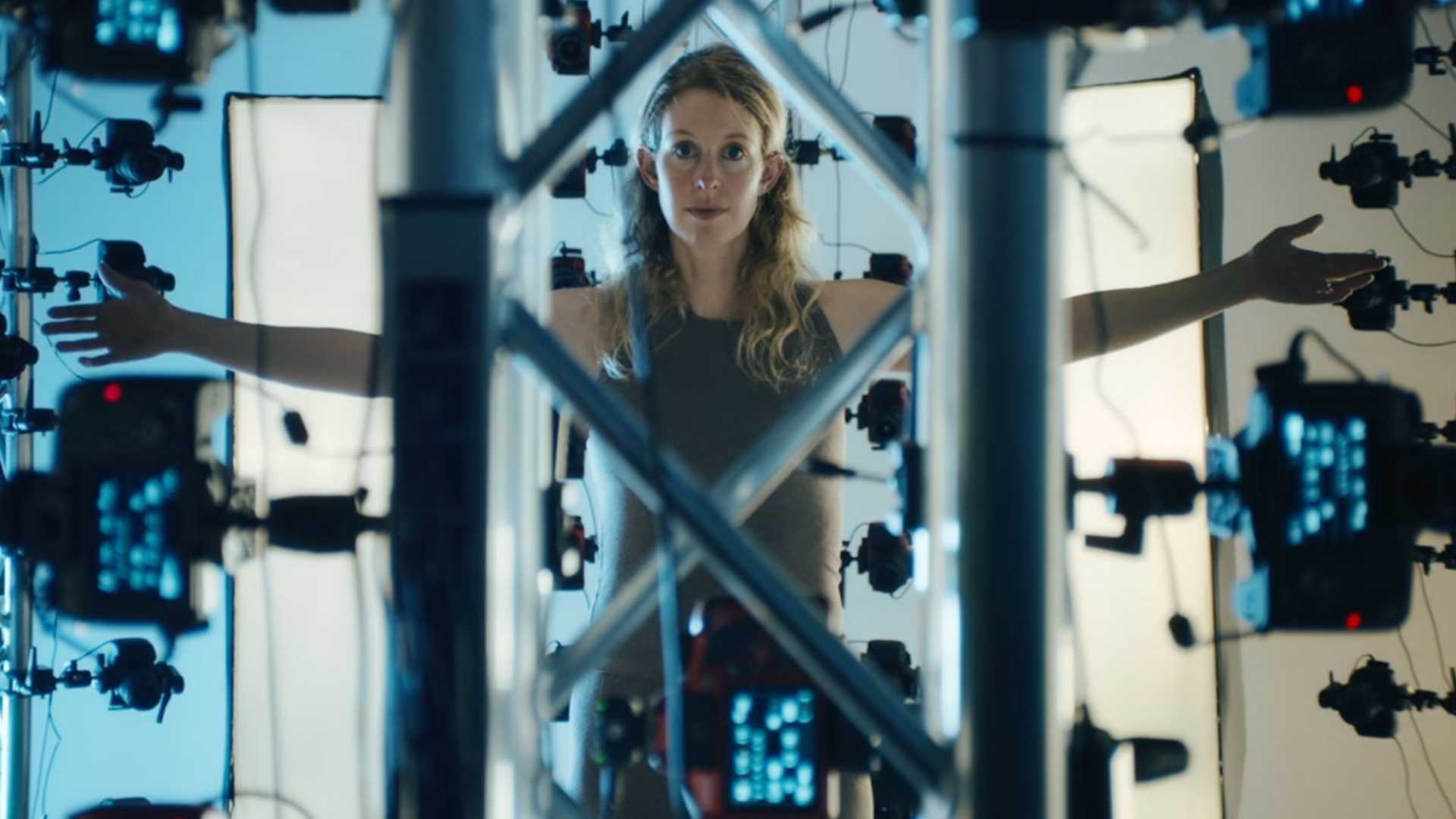
A Documentary That Challenges Its Own Credibility
You Can See Everything appears, at first, to be an investigation into whether Holmes is the deceptive figure described by prosecutors or a person whose actions and intentions have been misunderstood.
Through its portrayal of Holmes and Evans, the film presents a complicated picture of their relationship and their interpretation of the Theranos scandal. It also raises the possibility that Ramesh “Sunny” Balwani, Theranos’ former chief operating officer and Holmes’ former boyfriend, played a more significant role in the company’s wrongdoing than Holmes’ account suggests.
Yet the documentary becomes increasingly difficult to interpret as it progresses. The filmmakers’ own decisions and the information they choose to disclose become part of the story, making it harder for viewers to know where the boundaries lie between observation, interpretation and manipulation.
A late revelation involving information Fielder withheld from the film further complicates his position. Although he enters the project as a documentarian seeking answers, the movie ultimately raises questions about his own reliability and whether his access to Holmes has influenced his understanding of her.
That uncertainty extends beyond Holmes and Evans. If the filmmakers are also withholding information or shaping what audiences see, then the documentary’s version of events cannot automatically be treated as complete.
The result is a film in which nearly every participant’s motives remain open to question. Holmes may be presenting a carefully constructed account of her life; Evans may have his own reasons for influencing the project; and Fielder’s approach may not be as detached as viewers initially assume.
The Irony Behind the Film’s Title
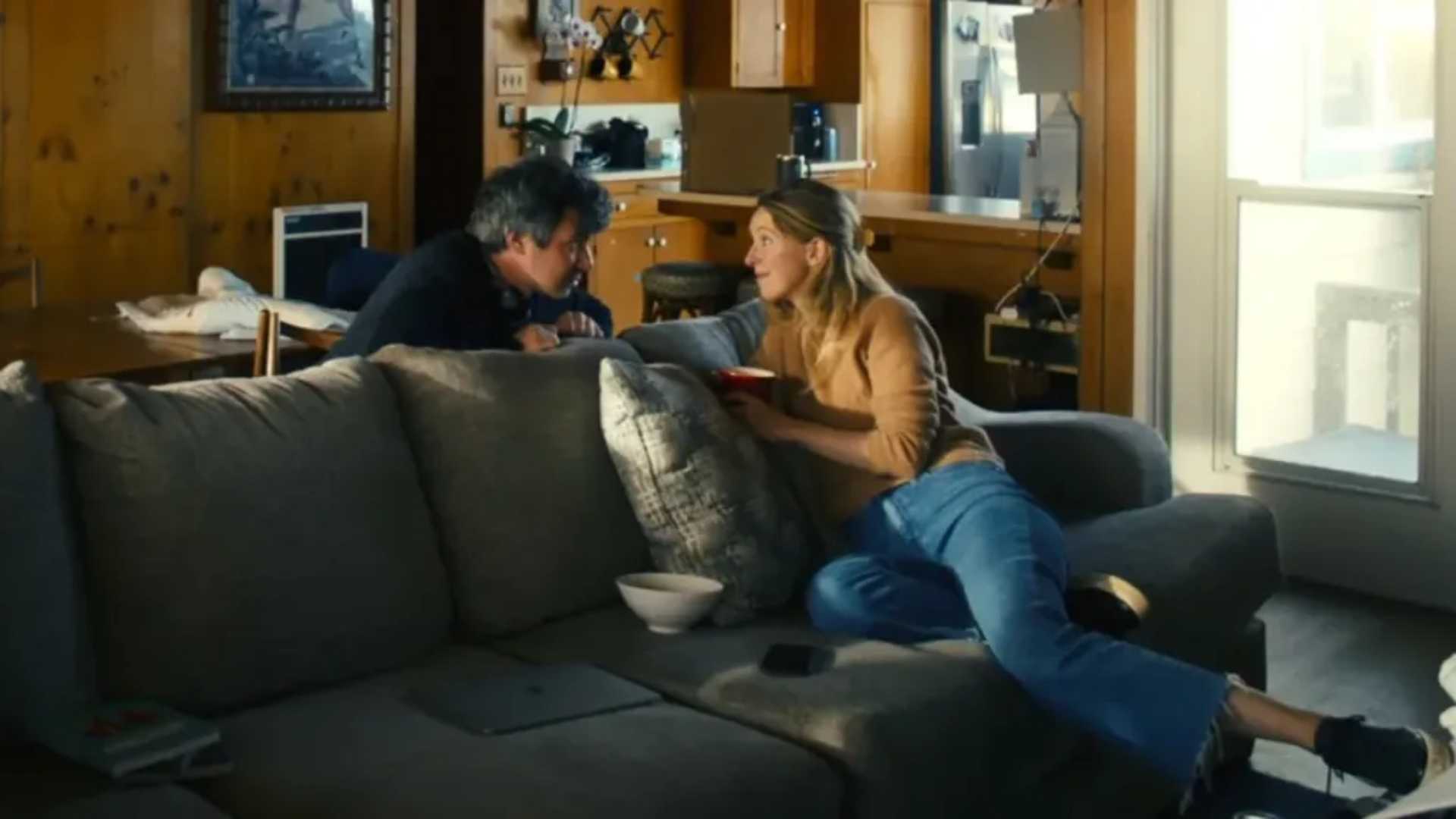
The title You Can See Everything promises transparency, but the documentary leaves audiences with more questions than answers.
Its unusual access to Holmes’ domestic life offers moments of apparent candour, yet that access does not necessarily establish whether the people being filmed are being fully honest. Instead, the film repeatedly exposes the difficulty of separating what its subjects say from what they may want viewers to believe.
That is what makes Fielder’s unanswered question about Holmes’ knowledge of Evans’ financial negotiations so significant. It is not simply a dispute over money. It highlights the broader problem at the centre of the documentary: how can viewers judge someone’s motives when the available evidence remains incomplete and the people documenting events are themselves part of the story?
By the end, You Can See Everything has not delivered a definitive answer about Holmes’ intentions. Rather, it challenges viewers to examine the limits of documentary storytelling and the assumptions they bring to a story involving a convicted fraudster, a devoted partner and filmmakers attempting to capture the truth.
The film may offer an unusually close look at Holmes’ life, but closeness is not the same as certainty. For all its access, You Can See Everything leaves its central mystery unresolved—and makes the audience question whether seeing more necessarily means understanding more.