Congratulations!
You've earned 1 point
The Mick Jagger-Keith Richards Feud That Nearly Tore The Rolling Stones Apart
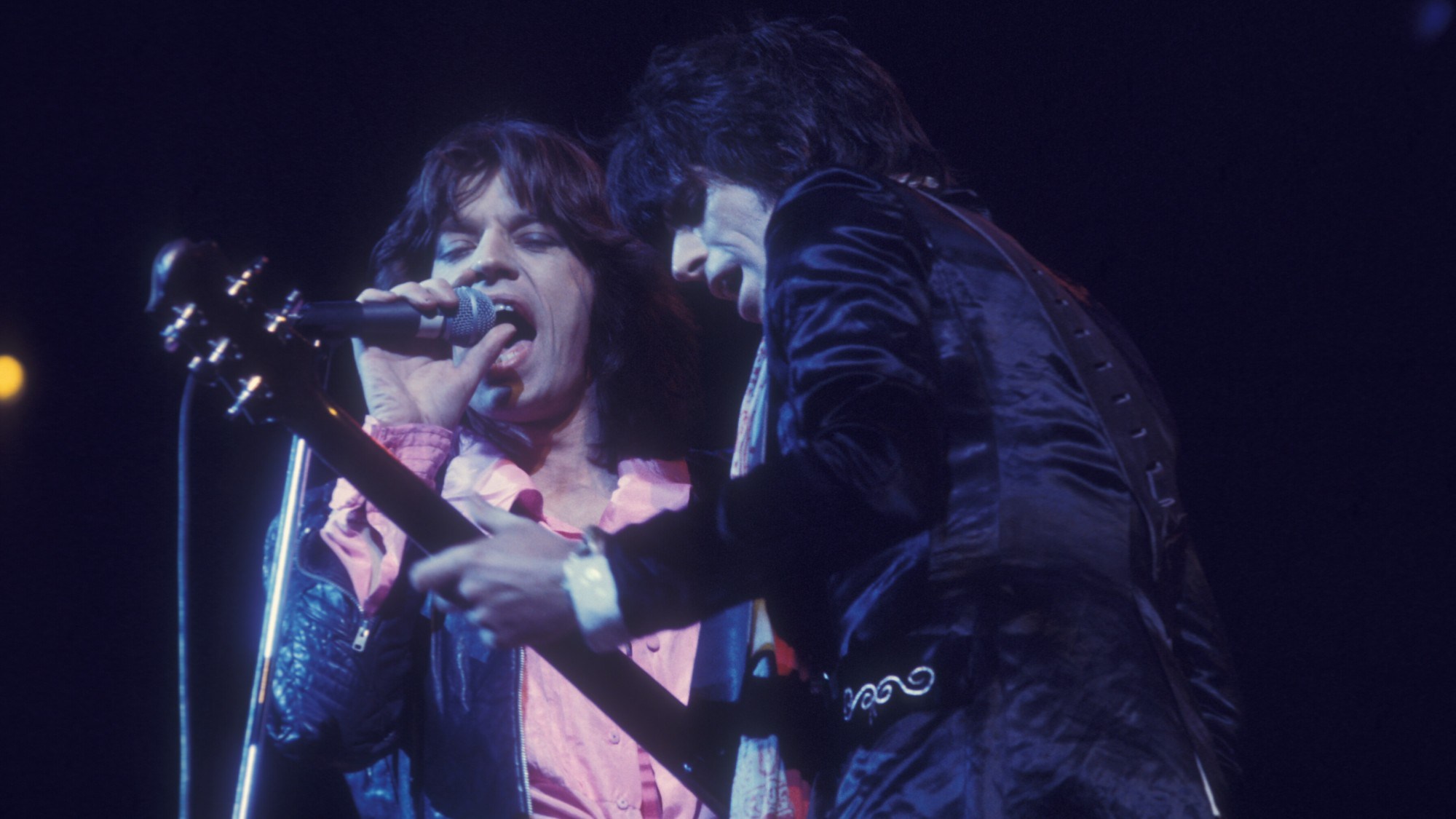
Few rock bands have survived the pressures of fame, creative differences and changing musical eras as successfully as The Rolling Stones. But behind their extraordinary longevity lies a partnership that has often been anything but peaceful.
Mick Jagger and Keith Richards have spent decades at the center of the band, building one of rock music’s most enduring songwriting partnerships. Yet during the 1980s, tensions between the two became serious enough to threaten the future of the group.
Their disagreements involved everything from creative control and solo ambitions to money and personal problems. At one point, Richards even appeared to channel his frustration into a song.
Tensions Rise Between Jagger and Richards

The Rolling Stones had already endured considerable turmoil during the 1970s, but the relationship between Jagger and Richards became increasingly strained in the following decade.
By the 1980s, the musical landscape was changing and the Stones’ familiar style of rock no longer occupied quite the same position it once had. According to reports, Jagger began exercising greater control over the band’s musical direction — something that did not sit comfortably with Richards.
The struggle between two of the group’s dominant personalities gradually developed into a much larger creative conflict.
One striking glimpse of that tension came with “All About You,” released in 1980.
Richards sings:
“Well if you call this a life / Why must I spend mine with you? / If the show must go on / Let it go on without you.”
The words were pointed toward Jagger, offering a remarkably personal window into how strained their relationship had become.
Mick Jagger Says Conflict Was Almost Inevitable

Looking back, Jagger suggested that a major disagreement was hardly surprising after so many years working together.
“So, yeah, we had a bit of a doo-dah, but I expected it,” Jagger once said. “We resolved it, in our own way, you know.”
For Jagger, spending such a long period alongside the same musicians inevitably created a complicated web of shared experiences.
“If you work with someone that long, it makes a lot of bonds, a lot of memories, and things you relate to from your past,” he explained.
Those decades together created countless reference points between the musicians, along with relationships extending beyond the band itself. But Jagger stopped short of describing that connection as familial.
“You have relationships with everyone in the band and with people in the periphery, so it’s a large group. But it isn’t a family,” he said.
More Than One Problem Was Pulling Them Apart
There was no single cause behind the friction between Jagger and Richards.
Solo projects, financial disputes, addiction and disagreements over the Stones’ creative direction all contributed to the tensions surrounding their partnership.
The differences between them became particularly difficult during the 1980s, but they ultimately never proved strong enough to permanently destroy the band.
For Richards, the reason they survived appears relatively simple: whatever happened personally, music remained a connection powerful enough to keep the conversation going.
“Everybody’s still here, which is obviously an important ingredient,” Richards said.
He also acknowledged that longevity does not necessarily mean bandmates will always get along.
“With any band that has been around, even for a few years, not everybody always likes everybody,” he explained. “But maybe you need that conversation to continue, and music is the one way you can do that. It’s stronger than the other things that get in the way.”
The Partnership Survived
That idea helps explain one of the most remarkable aspects of The Rolling Stones’ history.
Jagger and Richards did not survive decades together because they avoided conflict. Their relationship endured despite it.
The disagreements of the 1980s came dangerously close to fracturing one of rock’s most famous partnerships, but the music ultimately provided common ground.
For all the arguments, competing ambitions and creative battles, Jagger and Richards continued returning to the thing that had connected them from the beginning — making music together.