999: On the Front Line returns with a deeply moving new series on More4
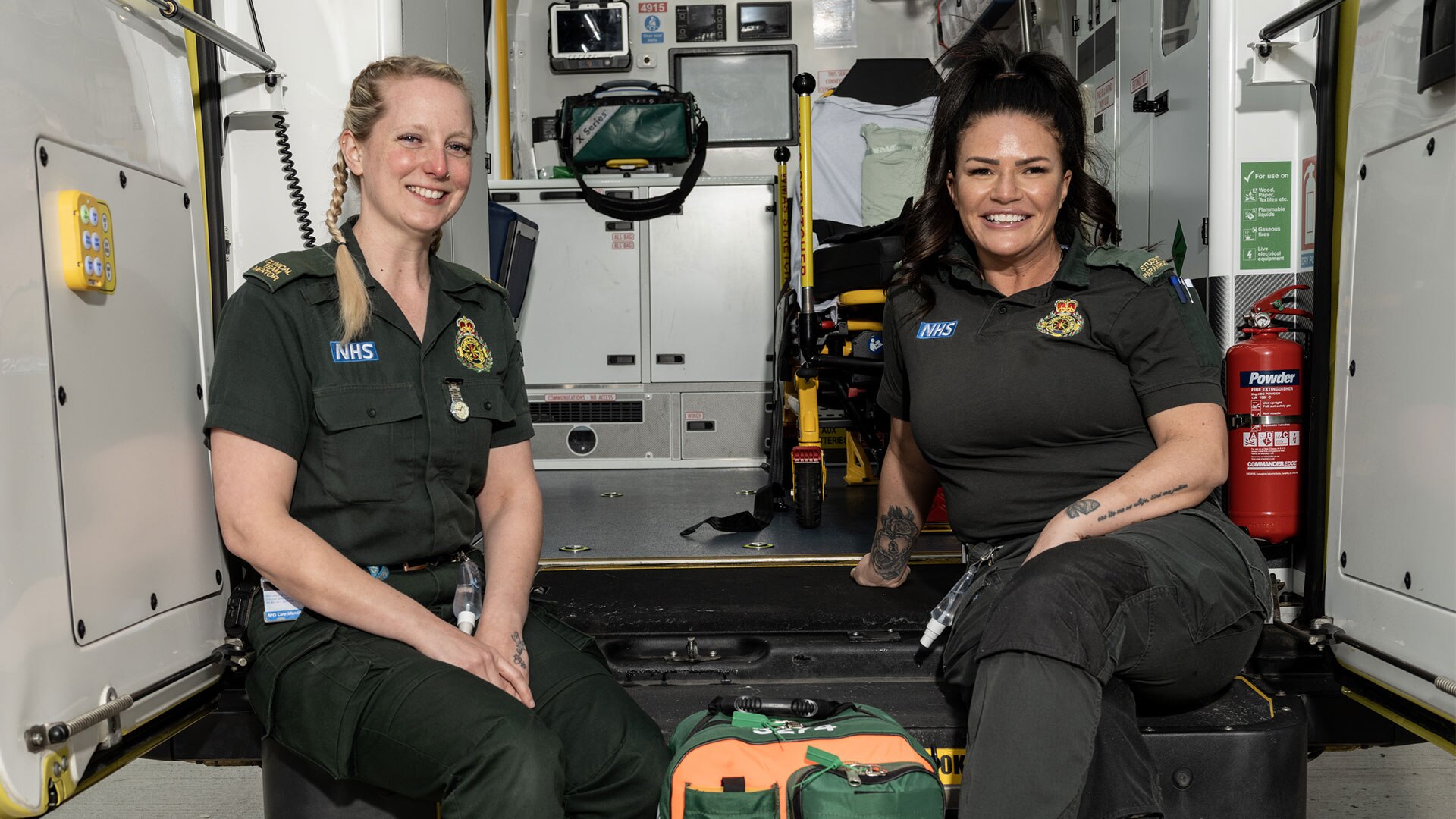
The new 10-part series follows South Western Ambulance Service crews as they face some of the most unpredictable emergencies across the South West of England.
Some ambulance calls are over in minutes. Others become the kind of moments paramedics remember for years.
The latest series of 999: On the Front Line takes viewers directly into those moments, following emergency crews as they respond to serious illness, injuries and life-threatening situations across the South West of England.
The new 10-part series begins on More4 at 9pm on September 20, marking the show’s 15th series. The programme follows staff from the South Western Ambulance Service, giving viewers an unusually close look at both the crews responding on the road and the call handlers dealing with emergencies from the control room.

Inside the South Western Ambulance Service
Rather than concentrating on one ambulance crew, the series follows multiple teams working simultaneously across the region.
The crews can be sent anywhere from busy urban areas to rural communities and remote stretches of coastline, often with little warning about what they are about to encounter.
The control room provides another perspective. Call handlers can deal with as many as 40 calls during a 12-hour shift, making them the first point of contact for people seeking urgent medical help.
The South Western Ambulance Service covers around 10,000 square miles, roughly a fifth of mainland England, and serves approximately 5.5 million people. During the summer holiday period, that population can rise to more than 23 million.
Across the region, staff deal with around 3,000 emergency calls every day, placing the service under enormous pressure.
The new series features locations including Bristol, Taunton and Bridgwater, while showing the very different challenges faced by crews working across such a large geographical area.
Official planning documents confirmed that production filmed with frontline clinicians based at Bristol, Bridgwater and Taunton ambulance stations, as well as inside the Emergency Operations Centre in Bristol, where 999 calls are received. Ten one-hour episodes were planned for broadcast during 2026.

A difficult reality for ambulance workers
The opening episode quickly highlights one of the dangers faced by frontline ambulance staff.
Two female paramedics are attacked inside a patient’s home while responding to a call involving a man experiencing breathing difficulties.
The programme says that 62 ambulance workers are verbally abused or physically assaulted every day in the UK, equivalent to around three incidents an hour.
Alongside those difficult encounters, viewers will see crews dealing with patients in urgent need of medical attention, often having to make rapid decisions with very little information.
One case involves an 87-year-old woman who has spent seven hours on the floor after breaking her hip.
Another involves an unusual allergic reaction that leaves the paramedics facing a situation they have rarely encountered.
There is also a particularly serious call involving a woman who has recently undergone surgery to remove a brain tumour. When she begins convulsing, the situation is upgraded to Category 1, reflecting the immediate threat to her life.

The human stories behind the emergency calls
While the series is built around the urgency of emergency medicine, it also spends time showing the people behind each call.
Paramedics can begin a 12-hour shift with no idea what they will face. A routine-looking call can suddenly become life-threatening, while some patients need reassurance and support as much as immediate medical treatment.
That human element is one of the features that gives 999: On the Front Line much of its emotional impact.
The programme also makes a point of returning to patients after the crews have left. At the end of each episode, viewers are given updates on the people treated during the programme, showing what happened to them after the ambulance crews’ involvement ended.
It provides some closure to stories that might otherwise finish the moment the ambulance doors close.

The pressure on the NHS
The new series arrives against a difficult backdrop for emergency and NHS services.
The original programme information highlights the pressure facing frontline workers as they respond to thousands of calls each day. It also comes as trade union Unison reported that the NHS was cutting more than 20,000 posts across hospital, community and mental health services in an effort to address a £1.1 billion budget deficit.
According to the report cited in the original article, the cuts across NHS England were due to be made by 2028, adding to concerns about pressure on services that are already struggling with demand.
Against that backdrop, the series offers viewers a close look at the people continuing to respond when members of the public need urgent help.
A series that has been on television since 2017
999: On the Front Line has been on screen since 2017, following ambulance crews as they respond to emergencies in real time.
Previous instalments have focused on different ambulance services and regions. An earlier 2024 series, for example, followed crews from the West Midlands Ambulance Service, covering areas including Birmingham, Coventry, Worcester and Bromsgrove.
The latest run moves the focus to the South Western Ambulance Service and gives viewers a different picture of frontline emergency work across a much larger geographical area.
For the crews involved, the working day can shift from one emergency to another in a matter of minutes. For viewers, that unpredictability is what makes the programme so difficult to look away from.
When is 999: On the Front Line on?
The new series of 999: On the Front Line premiered on More4 at 9pm on Sunday, September 20, 2026.
The first episode follows South Western paramedic crews dealing with cases including a man suffering from severe abdominal pain and a 95-year-old man who has fallen and injured his face.
The series continues for 10 episodes, offering an intimate look at the pressures, risks and human stories encountered by ambulance crews and control-room staff across the South West.