‘Unbelievable’: The Netflix crime drama viewers still can’t stop talking about
Some crime dramas are built around shocking twists. Others stand out because of the way they tell a difficult story. Unbelievable belongs firmly in the latter category.
The Netflix limited series has earned a remarkable 98% Tomatometer score from 84 critics on Rotten Tomatoes, with an 89% audience score. Rotten Tomatoes describes the series as a powerful take on familiar true-crime territory, shifting attention toward survivors and telling their stories with gravity.
Released on September 13, 2019, the eight-episode drama stars Toni Collette, Merritt Wever and Kaitlyn Dever. It follows a teenager whose report of rape is questioned by police, while two female detectives in Colorado investigate a series of remarkably similar assaults. Netflix describes the story as inspired by true events.
That combination of a compelling investigation, carefully developed characters and an emotionally difficult subject has made Unbelievable a standout among Netflix’s true-crime dramas.

A crime story told from the victims’ perspective
At the centre of the series is Marie Adler, played by Kaitlyn Dever.
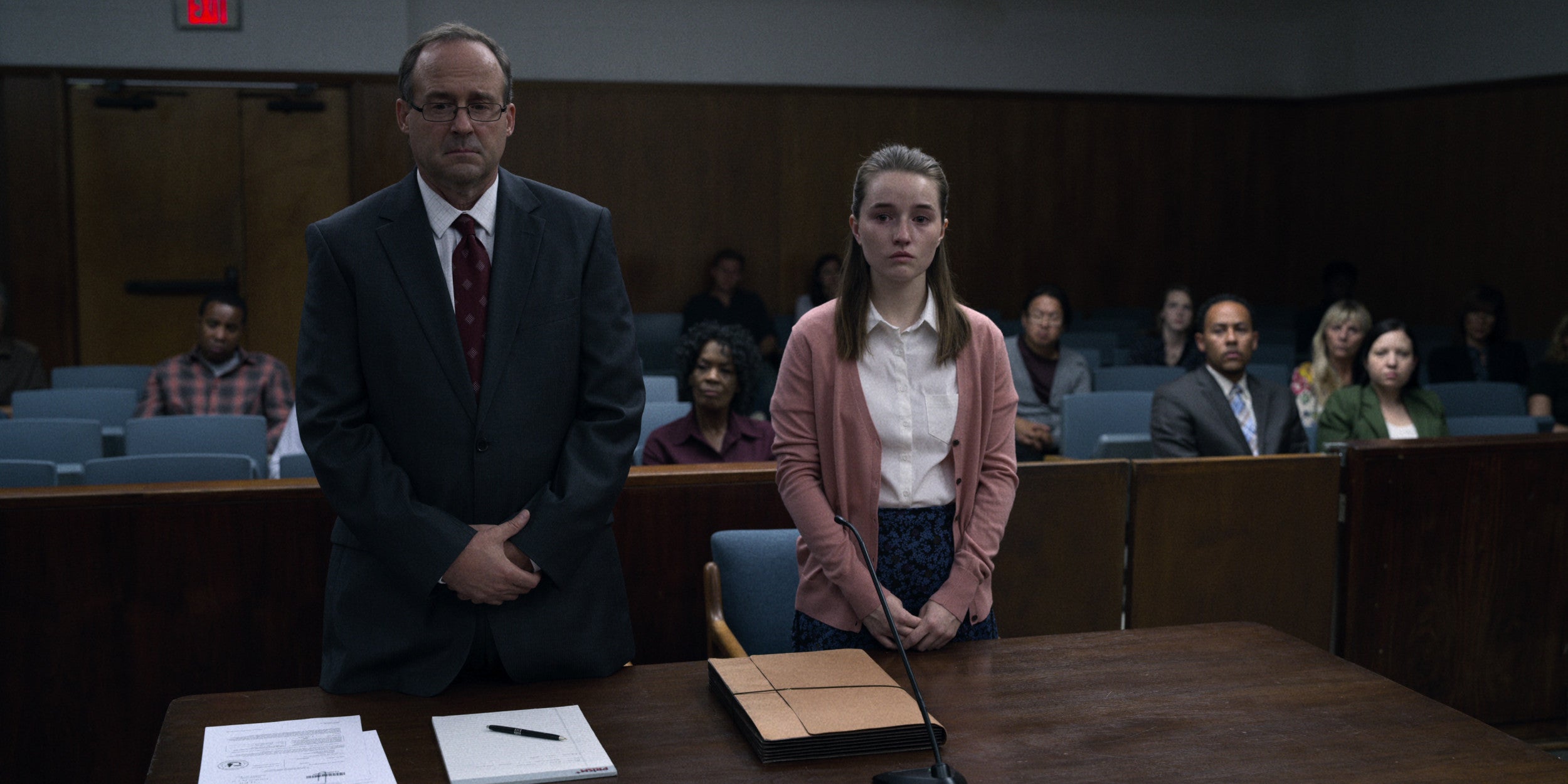
After Marie reports that she was sexually assaulted by an intruder, the detectives investigating her case begin to doubt her account. She eventually recants her story, leaving her facing serious consequences as questions about her credibility grow.
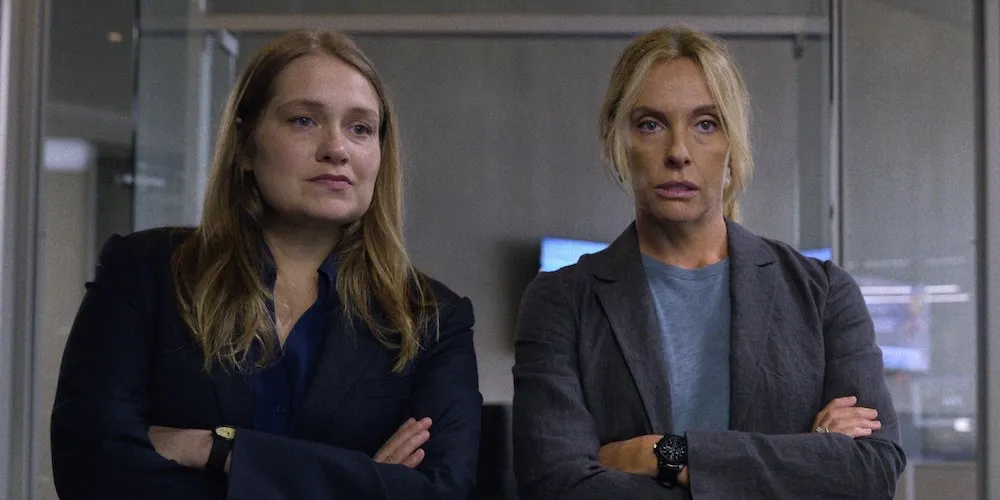
Meanwhile, the story moves to Colorado, where detectives Karen Duvall, played by Merritt Wever, and Grace Rasmussen, played by Toni Collette, encounter cases involving similar attacks. Their investigation gradually leads them toward evidence suggesting that the incidents may be connected.
The structure gives the series two closely linked perspectives: Marie’s experience as a survivor whose account is not believed, and the investigation undertaken by detectives trying to establish what really happened. Netflix’s official synopsis similarly describes the two detectives as investigating a series of eerily similar attacks after a young woman is accused of lying about rape.
The contrast is central to what makes the drama so affecting. Rather than treating the investigation solely as a puzzle to be solved, Unbelievable spends significant time showing the personal consequences of disbelief and institutional failure.
Based on a real investigation
The miniseries was created by Susannah Grant, Ayelet Waldman and Michael Chabon and draws on reporting by T. Christian Miller and Ken Armstrong.
Their 2015 article, An Unbelievable Story of Rape, examined the Washington and Colorado serial rape cases that inspired the drama. The story also draws from the writers’ 2018 book A False Report, which was based on the same research.
Netflix also identifies the series as being inspired by the Pulitzer Prize-winning reporting from The Marshall Project and ProPublica, as well as the This American Life episode Anatomy of Doubt.
That real-world foundation gives the series an added weight. The story is fictionalised for television, but its central events and investigations are rooted in documented cases.
:max_bytes(150000):strip_icc()/unbelievable-2000-e14d3bfb937a49deb28213e2184cf790.jpg)
A cast that earned widespread praise
Dever, Collette and Wever lead a larger ensemble that includes Eric Lange, Bill Fagerbakke, Elizabeth Marvel, Bridget Everett, Danielle Macdonald, Dale Dickey, Liza Lapira and Omar Maskati.
The three central performances were particularly well received. Kaitlyn Dever, Merritt Wever and Toni Collette all received nominations at the Critics’ Choice Awards and Golden Globes. Collette also received a Primetime Emmy nomination and a Screen Actors Guild Award nomination.
The series ultimately received four Primetime Emmy nominations, including recognition for limited series, writing, casting and Collette’s performance. It also earned a Peabody Award. The Peabody Awards praised the miniseries for presenting contrasting investigations and for its humanised treatment of rape survivors.
Rotten Tomatoes’ current listing gives the series its 98% Tomatometer score based on 84 reviews.
Critics found something different in it
The praise for Unbelievable has often focused on the way it approaches the crime-drama format.
One Rotten Tomatoes reviewer described it as a culturally relevant television series, while another highlighted the way the story places victims and the women investigating their cases at the centre rather than making the police procedure the sole focus.
Other reviews have praised the performances and the show’s ability to handle an extremely sensitive subject without turning it into conventional crime-show spectacle.
Rotten Tomatoes’ own critics’ consensus calls the series heartbreaking and powerful, noting that it moves beyond familiar true-crime conventions by shifting its attention toward survivors of abuse.
That distinction helps explain why the series continues to receive attention years after its original release.

Viewers found it difficult to stop watching
The reaction from audiences has been similarly strong.
Viewers have praised the performances, particularly those of Dever, Collette and Wever, as well as the writing and the way the story handles its subject matter.
One audience review described being pulled into the story immediately and ending up watching later than planned because the performances were so absorbing. Another praised the series for combining strong storytelling and acting with a sensitive treatment of its subject.
A different viewer described the drama as simultaneously devastating and uplifting, praising its split narrative and the emotional journey of its characters.
Another audience member on IMDb called the series a rare television “diamond” and singled out the performances, writing and direction as reasons not to miss it.
The reactions vary in wording, but they share a common theme: Unbelievable leaves a lasting impression rather than functioning as a disposable crime thriller.
Eight episodes, one tightly focused story
The limited series consists of eight episodes, with the investigation gradually developing across the season.
The opening episodes establish Marie’s experience and the consequences of her retraction. Three years later, Karen Duvall begins investigating a strikingly similar assault in Colorado.
As Karen and Grace compare information, the possibility of a connection becomes increasingly difficult to ignore. Their investigation expands to include other victims and eventually involves the FBI.
By the later episodes, the detectives are working toward identifying the perpetrator while Marie’s own circumstances continue to deteriorate. The final episode brings the Colorado investigation and Marie’s story together as Karen and Grace prepare for a pivotal day in court. Netflix’s episode guide confirms the eight-episode structure and outlines this progression.
The result is a crime drama that builds its tension through investigation while keeping the emotional consequences of the cases firmly in view.
Why ‘Unbelievable’ continues to stand out
Part of the series’ appeal comes from its restraint. It does not depend on constant twists or sensationalised violence to maintain interest.
Instead, the drama takes its time with the people involved, particularly Marie and the two detectives whose investigation gradually uncovers the wider pattern.
That approach also helps explain its unusually strong critical reception. Rotten Tomatoes currently lists Unbelievable at 98% from critics and 89% from audiences, while the Peabody Awards recognised the series for combining a gripping investigation with a humanised exploration of rape survival.
For viewers looking for a crime drama that goes beyond the usual police procedural formula, Unbelievable offers a tightly constructed eight-episode story with acclaimed performances and a difficult real-life foundation.
Unbelievable is available to stream on Netflix.