PRINCE HARRY DRAWS THE LINE ON ROYAL FAMILY DRAMA — THREE NAMES HE REPORTEDLY REFUSED TO DISCUSS
Prince Harry has spoken candidly about the grief that followed his mother’s death, revealing deeply personal details about his struggle to process the loss of Princess Diana. But when the conversation turned to the Royal Family, the Duke of Sussex reportedly made it clear that some subjects were strictly off-limits.
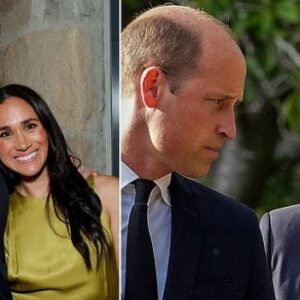
According to a source, Harry was willing to discuss Diana, his grief and the lasting impact of losing his mother. However, three members of the Royal Family were reportedly excluded from the conversation: Prince William, Princess Catherine and Prince Andrew.
The claim comes after Harry took part in a grief-focused MasterClass with Dr Mary-Frances O’Connor, a specialist in the psychology and neuroscience of grief. Their discussion explored how people navigate loss and begin to rebuild their lives after profound bereavement.
THREE ROYAL NAMES REPORTEDLY OFF-LIMITS
Harry has spoken extensively about his complicated relationship with the Royal Family in recent years, including in his 2023 memoir, Spare. Yet the source claimed that his willingness to discuss his personal experiences did not extend to every member of his family.
“Harry was willing to talk about Diana, grief and losing his mother. What he wasn’t willing to discuss was William, Catherine or Uncle Andrew. Those subjects were off-limits,” the source said.
The account has not been publicly confirmed by Harry himself. Nevertheless, the reported boundaries come against the backdrop of continuing tensions between the Duke and other members of the Royal Family.
During the MasterClass, Harry focused instead on the loss that shaped his childhood and the emotional struggles he carried into adulthood.
‘NOBODY TOLD ME JOY WAS STILL ALLOWED’
Princess Diana died following a car crash in Paris on August 31, 1997, when Harry was just 12 years old.
Reflecting on his grief, the Duke described feeling that he had to remain sad to demonstrate how much he missed his mother.
“I had to be sad to prove to her that I missed her,” he recalled, adding: “Nobody told me joy was still allowed.”
Harry also spoke about how difficult it had been to recall certain details about Diana, including her laugh and what she looked like. He revealed that he went almost 20 years without crying over her death.
Dr O’Connor encouraged him to reconnect with memories of his mother, including through her perfume. Harry said the scent helped unlock emotions and recollections that had long remained buried.
“Spraying my mother’s scent was almost like knocking certain bricks through so that I could see through and certain memories and experiences could start seeping back,” he said.
His account offered a glimpse into how grief can change over time, particularly when painful memories have been difficult to confront.
HARRY’S PAID APPEARANCE DEFENDED

Harry’s participation in the MasterClass also prompted discussion after a spokesperson for the Duke confirmed that he had been paid for the appearance.
According to the Daily Mail, the spokesperson encouraged people to watch the session before passing judgement and said Harry should not be criticised for “speaking from the heart”.
The programme placed the focus on Harry’s personal experience of bereavement, rather than the ongoing disputes that have frequently surrounded his relationship with the Royal Family.
THE APPROACH OF DIANA’S 30TH DEATH ANNIVERSARY
The next year will mark 30 years since Diana’s death, bringing renewed attention to how her sons may choose to remember her.
Harry has reportedly been linked to a possible documentary project connected with the anniversary, although his plans have not been confirmed.
Prince William’s approach is expected to be more private, with reports suggesting he may spend the occasion with Catherine and their three children, Prince George, Princess Charlotte and Prince Louis.
For now, the reported limits Harry placed on the MasterClass discussion remain unconfirmed. What he did share, however, was a deeply personal reflection on the grief he carried after losing his mother — and the difficult process of learning that remembering someone does not mean having to remain unhappy forever.