‘Unforgettable’ Scottish film starring Martin Compston earns 97% Rotten Tomatoes score
More than two decades after its release, Sweet Sixteen remains one of the most talked-about Scottish films among viewers who admire hard-hitting, realistic cinema.
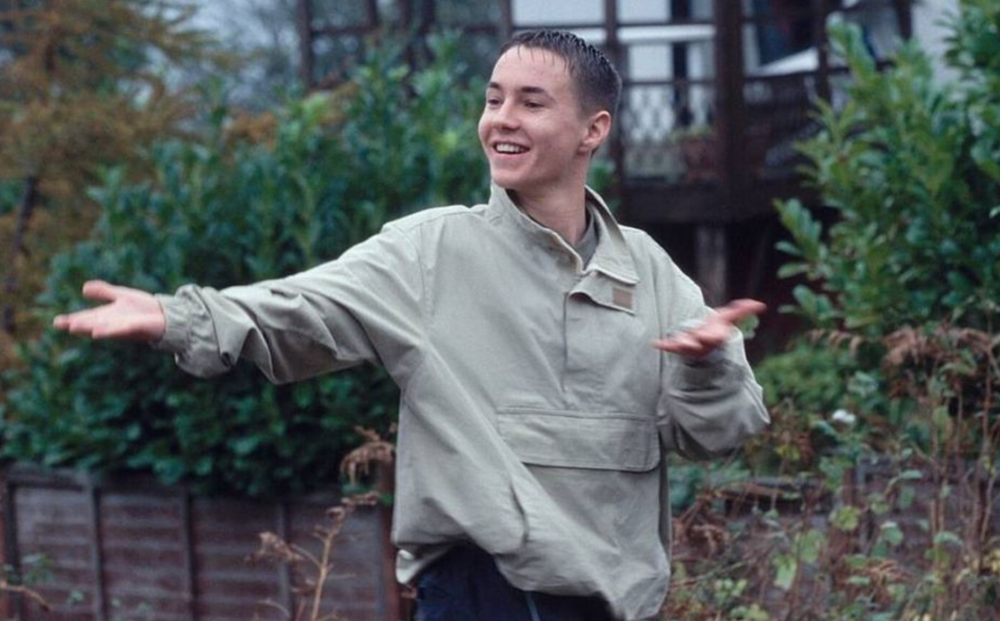
Directed by acclaimed filmmaker Ken Loach and written by Paul Laverty, the 2002 drama stars Martin Compston as Liam, a 15-year-old boy growing up in Greenock and desperate to build a better life for his mother.
The film has continued to attract strong audience reactions, with Rotten Tomatoes currently giving it a 97% Tomatometer score from 88 reviews. Its critics’ consensus describes it as a bleak but heartbreaking coming-of-age story that resonates through its sense of truth.

Martin Compston’s breakthrough role
Sweet Sixteen became a major early milestone for Compston, who was cast as Liam after auditioning while still at high school in Greenock.
The story follows Liam as he waits for his mother, Jean, to be released from prison. With his family life dominated by drugs, violence and instability, the teenager becomes determined to give his mother the kind of future they have never had.
Liam refuses to accept the demands of his stepfather and grandfather that he help use his mother as a drug mule. Instead, he dreams of taking her away from their troubled family life once she is released.
There is one major problem: he needs money to make that dream possible.
Liam turns to the only option he believes is available to him. He steals drugs from his stepfather and begins selling them on the streets, hoping to raise enough money to create a new life for his mother.
The plan gradually pulls him deeper into a world that becomes increasingly difficult to escape.
The Cannes Film Festival’s official archive describes Liam as determined to create a safe place for his family, while his increasingly risky schemes leave him dangerously out of his depth. The film runs for 106 minutes and was selected for competition at Cannes in 2002.

A Cannes-winning screenplay
The film’s critical reputation was established soon after its release.
At the 2002 Cannes Film Festival, screenwriter Paul Laverty won the Award for Best Screenplay for Sweet Sixteen.
The film also received recognition elsewhere, including the European Critics’ Award and the British Independent Film Award for Best British Independent Film.
The British Film Institute has also highlighted Compston’s performance, noting that the young actor, who was a professional footballer at the time, won a Scottish BAFTA for his work in the film.
That combination of an acclaimed screenplay, Loach’s social-realist direction and Compston’s central performance helped establish Sweet Sixteen as an important Scottish coming-of-age drama.

Viewers call it one of Scotland’s best films
Audience reactions remain particularly enthusiastic.
One viewer praised Compston’s performance and the film’s uncomfortable realism, describing it as a movie that should not be missed.
Another called it heartbreaking and stunningly well acted, simply summing it up as unforgettable.
A further viewer went even further, calling it the best Scottish film they had seen.
Other reactions focused on the film’s depiction of Glasgow and the realities faced by young people growing up in difficult circumstances. One viewer described it as one of the best films Scotland has produced, praising its grounded and realistic portrayal as well as Compston’s performance.
Another recommended the film to anyone wanting to see a tougher side of Glasgow, particularly the environment in which Liam grows up.
Those responses echo the qualities that have kept Sweet Sixteen in discussions about Scottish cinema. The film does not romanticise Liam’s surroundings. Instead, it places his ambitions alongside the poverty, crime and family instability that constantly threaten to derail them.
Ken Loach’s Scottish films
Sweet Sixteen is also part of a much larger body of work that Ken Loach created in Scotland.
His Scottish filmography includes Carla’s Song (1996), My Name Is Joe (1998), Sweet Sixteen (2002), Ae Fond Kiss (2004) and The Angels’ Share (2012).
Loach has frequently worked with screenwriter Paul Laverty, and Sweet Sixteen is one of the films that demonstrates their interest in working-class communities and characters facing difficult circumstances.
Reviewers have singled out the Scottish setting as an important part of the film’s impact.
One viewer praised Loach’s films while particularly enjoying those made in Scotland. Another described Sweet Sixteen as bleak and depressing but praised its gritty realism.
A third called it hard-hitting and realistic, while also making a claim about the production that they felt reflected the poverty depicted in the film: according to the reviewer, props were stolen a week before filming began.
Whether or not viewers agree with the description of Sweet Sixteen as the best Scottish film ever made, its lasting reputation is clear. More than 20 years after its 2002 release, the film continues to attract strong reviews, while its 97% Rotten Tomatoes score shows how highly it remains regarded by critics.
For Compston, it also represents the performance that introduced him to a much wider audience and helped launch his acting career.
Watch the Sweet Sixteen trailer
Sweet Sixteen was directed by Ken Loach, written by Paul Laverty and stars Martin Compston as Liam. The Cannes Film Festival lists the film as a 2002 competition entry and confirms its Best Screenplay award.