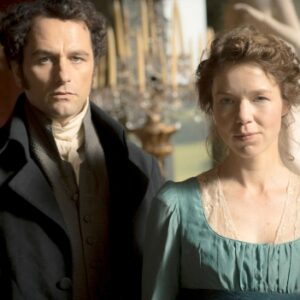
‘Beautifully Done’ Period Drama Starring Harry Potter’s Tom Felton Is On Film4 Tonight
If you enjoy the elegance of Jane Austen adaptations, the social intrigue of Bridgerton and period dramas built around compelling performances, Belle is a film worth seeking out.
The 2013 historical drama follows Dido Elizabeth Belle, a mixed-race young woman navigating aristocratic society in 18th-century England. Inspired by the life of a real woman and the famous portrait of Dido and her cousin Elizabeth Murray, the film combines romance, family tensions and questions of race and class.
Belle is being shown on Film4 this evening at 6:45pm, making it an opportunity to revisit a period drama that has continued to attract praise for its performances and visual style.

The remarkable story behind Belle
Directed by Amma Asante and written by Misan Sagay, Belle centres on Dido Elizabeth Belle Lindsay, the illegitimate daughter of Royal Navy officer Sir John Lindsay and Maria Belle, an enslaved African woman in the West Indies.
After her mother’s death, Dido is brought to England and taken in by her great-uncle, William Murray, the Earl of Mansfield and Lord Chief Justice. He and his wife, Elizabeth, live at the magnificent Kenwood House in Hampstead, London.
Dido is raised alongside their other niece, Lady Elizabeth Murray. The two girls grow up together, although Dido’s mixed-race heritage gives her a very different position within the society surrounding them.
The story is inspired by genuine historical figures and the famous double portrait of Dido and Elizabeth, but much of the film’s personal drama is fictionalised. The surviving historical record provides only limited information about Dido’s life, giving the filmmakers considerable freedom in shaping the narrative.
English Heritage describes the 2013 film as a fictionalised version of Dido’s story that brought her life to a much wider international audience.

A young woman caught between two worlds
As Dido and Elizabeth approach adulthood, their position in society becomes increasingly important.
Elizabeth is allowed to make her formal entrance into society and begins to attract the attention of potential suitors. Dido, however, faces a more complicated future.
Despite being raised as a free gentlewoman, her family worries that her mixed heritage could prevent her from being accepted by aristocratic society. The question of marriage becomes particularly difficult, with concerns about both social prejudice and the motives of men who might be attracted to her considerable wealth.
The film uses Dido’s experiences to explore the rigid expectations surrounding race, gender, wealth and social status in 18th-century Britain.
At the same time, Dido becomes increasingly interested in the legal and moral questions surrounding slavery. Her uncle’s position as Lord Chief Justice places him at the centre of a major legal case involving the deaths of enslaved people aboard a slave ship.
The film turns these historical circumstances into a personal story about Dido’s growing independence and her determination to understand the society in which she has been raised.

Gugu Mbatha-Raw leads a strong cast
The film’s central performance comes from Gugu Mbatha-Raw, who plays Dido with a mixture of restraint, vulnerability and determination.
She is joined by an impressive ensemble including Tom Wilkinson as Lord Mansfield, Miranda Richardson, Penelope Wilton, Sam Reid, Matthew Goode and Emily Watson.
Tom Felton, best known to many viewers as Draco Malfoy in the Harry Potter films, also appears as James Ashford, a member of the aristocratic world who looks down on Dido because of her background.
The cast also includes Sarah Gadon as Elizabeth Murray and James Norton as Oliver Ashford. Rotten Tomatoes lists the film’s principal cast and credits Amma Asante as both director and writer, with Misan Sagay credited as screenwriter.
Mbatha-Raw’s performance has remained one of the film’s most frequently praised elements. Critic Carla Renata wrote that she was “exceptional as Dido Elizabeth Belle” and highlighted the emotional range of her performance.
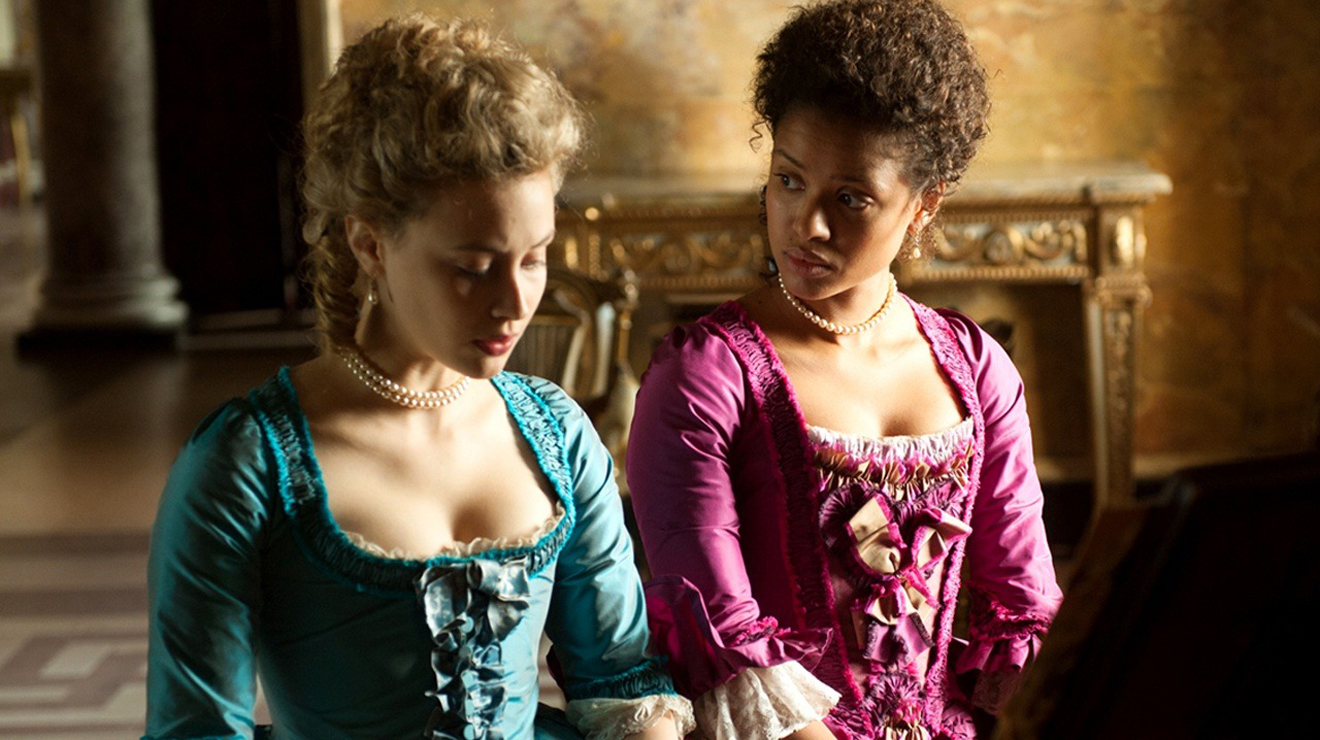
The real painting that inspired the film
One of the most important elements behind Belle is the real portrait of Dido and Elizabeth.
The painting, created in the 18th century, depicts the two young women together and became the visual starting point for the film. Historical records confirm that Dido was raised at Kenwood House alongside her cousin Elizabeth, although the precise details of their everyday lives are not fully documented.
That lack of evidence is important when considering the film. Belle is best understood as historical fiction rather than a literal reconstruction of every event in Dido’s life.
The real Dido was a fascinating figure in her own right. She occupied an unusual position within the Mansfield household and was connected to one of the most powerful legal figures of 18th-century Britain.
The surviving portrait has also become significant because of the way it depicts Dido and Elizabeth together. It offers a rare image of a Black woman and a white woman presented as near equals within an aristocratic setting.

A period drama with more than romance
While Belle contains the familiar ingredients of a costume drama, including courtship, family expectations, lavish interiors and elaborate clothing, its central concerns go beyond romance.
Dido’s position exposes the contradictions of the society around her. She has the education and connections associated with the aristocracy, yet her racial background means she cannot move through that world without encountering prejudice.
That tension drives much of the film and gives the story its emotional weight.
Audiences on Rotten Tomatoes have also responded positively to the film. One viewer described it as “beautifully done and truly touching”, while another praised the cast and said the film handled a difficult subject effectively.
Critics have similarly recognised the film’s combination of period-drama aesthetics and social themes. Rotten Tomatoes currently lists an 84% Tomatometer score based on 152 reviews, with its critics’ consensus highlighting both the film’s visual appeal and its performances.
Watch the trailer
When to watch Belle on Film4
For viewers looking for a period drama with romance, social tension and a story inspired by a remarkable historical figure, Belle offers a distinctive take on 18th-century England.
The film is scheduled to air tonight on Film4 at 6:45pm.
Originally released in 2013, Belle went on to receive positive critical attention for Gugu Mbatha-Raw’s performance, Amma Asante’s direction and its treatment of race and class within the conventions of the period drama.
For fans of Jane Austen-style settings or the lavish world of Bridgerton, it offers another way into the period drama genre, while telling a story rooted in the life of a woman whose place in British history was once largely overlooked.