Congratulations!
You've earned 1 point
U.S. Army Musicians Honor Dolly Parton With ‘Coat of Many Colors’ — A Song Born From One of Her Most Personal Childhood Memories

As tributes continue to celebrate Dolly Parton’s extraordinary musical legacy, the U.S. Army Field Band’s Six-String Soldiers chose a song that reaches back to the heart of her story.
The country and Americana ensemble performed an acoustic rendition of “Coat of Many Colors,” honoring Parton while also remembering her decades of support for American military service members and their families.
It was a fitting choice. Of the countless songs Parton recorded during her career, few were as deeply connected to the life she lived before fame as “Coat of Many Colors.”
The childhood story behind ‘Coat of Many Colors’
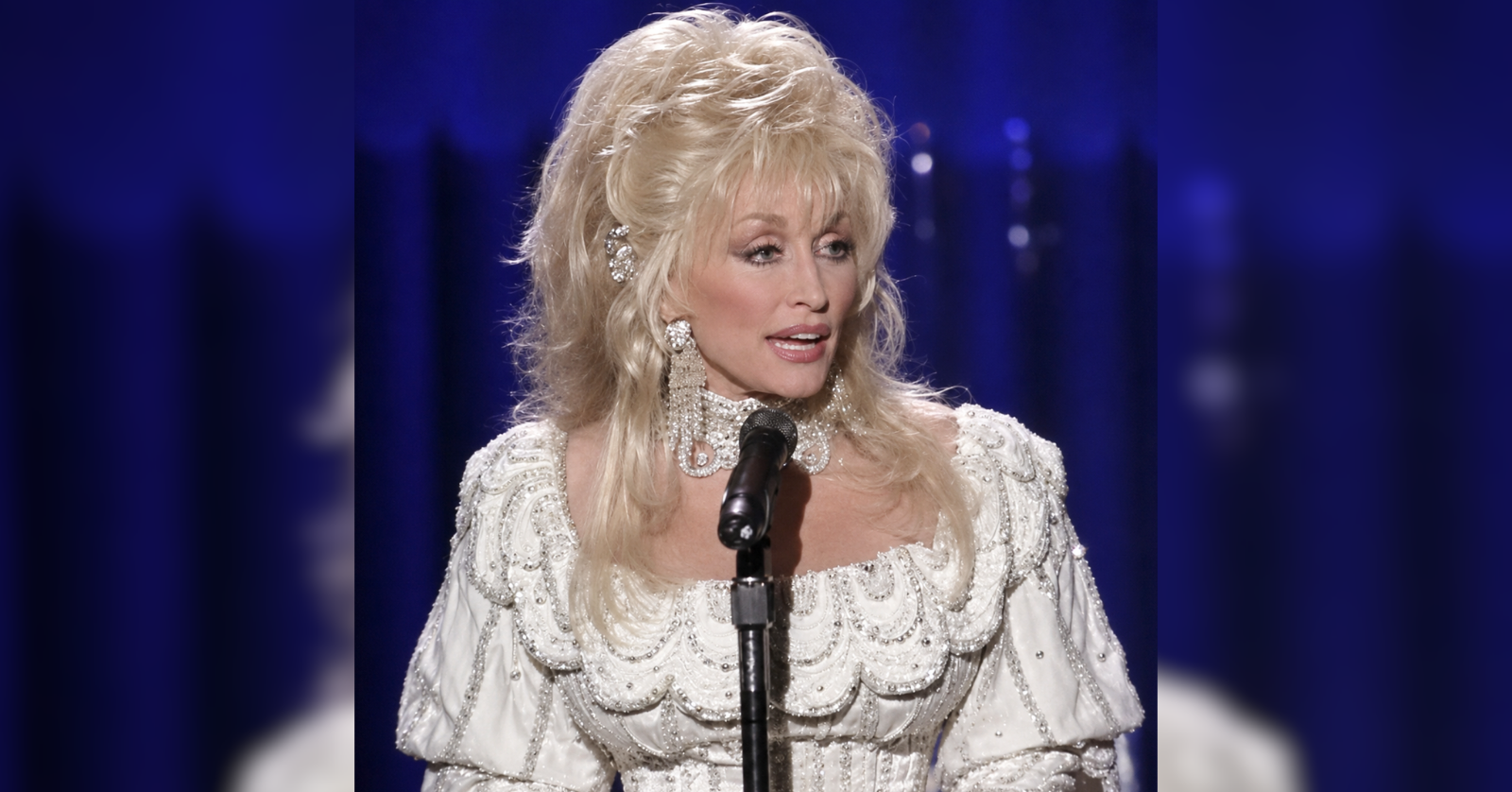
Growing up in Tennessee’s Great Smoky Mountains, Parton was one of 12 children in a family with limited financial means.
The experience that inspired “Coat of Many Colors” began when her mother used scraps of fabric to sew her a coat because the family could not afford to purchase a new one.
To anyone else, it might simply have looked like mismatched pieces of cloth stitched together.
To young Dolly, however, it represented something entirely different.
Her mother had made it specifically for her, turning what little the family had into something filled with care and meaning.
When Parton wore the coat to school, other children teased her because of how it looked and because of her family’s circumstances. But their reaction could not erase what the garment represented to her.
That contrast — between material poverty and feeling profoundly rich in love — became the emotional foundation of the song.
Over the years, “Coat of Many Colors” grew into one of Parton’s signature recordings, standing alongside classics such as “Jolene” and “I Will Always Love You.”
Dolly later brought the story to television
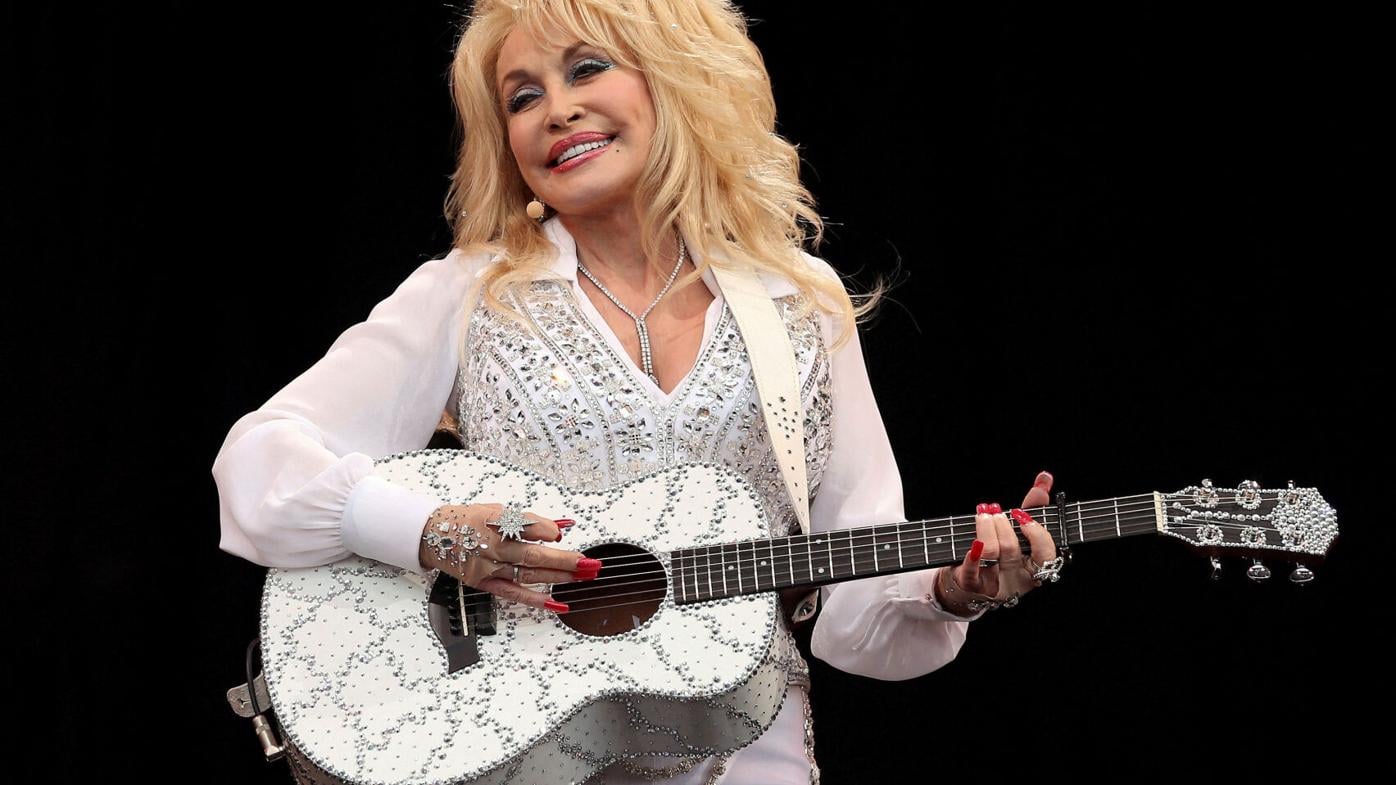
The memory remained important enough to Parton that decades later it inspired another project.
In 2015, she gave audiences a broader glimpse into her childhood through the made-for-television movie Coat of Many Colors, which drew inspiration from the beloved song and the experiences behind it.
By then, the story had traveled far beyond the Tennessee mountains where it began.
What started with a mother, a daughter and scraps of fabric had become one of the most recognizable stories in Parton’s catalog — a reminder that something with little monetary value could become priceless because of the love behind it.
Following Parton’s passing, the Six-String Soldiers returned to that song for their own tribute.
Six-String Soldiers pay tribute to Dolly
Xem bài viết này trên Instagram
Bài viết do U.S. Army Military District of Washington (@usarmyoldguard) chia sẻ
The Six-String Soldiers are professional musicians serving in the U.S. Army and performing as part of the U.S. Army Field Band.
In remembering Parton, the ensemble highlighted not only her place in American music but also her longstanding connection with members of the military and their families.
“As our nation and people worldwide mourn the loss of the musical legend Dolly Parton, we remember and celebrate her decades of support for U.S. military service members and their families,” the group wrote.
They specifically recalled Parton’s USO visit to Fort Hood during Operation Desert Storm, as well as her more recent participation in the USO’s Military Virtual Programming series.
Parton took part in the USO’s Military Virtual Programming initiative in December 2022, giving deployed service members and their families an opportunity to connect with her virtually.
A simple song carrying an enduring message
For their musical farewell, the Six-String Soldiers could have selected any number of Parton’s famous recordings.
Instead, they returned to the song about the little girl from a family of 12 who proudly walked into school wearing a coat her mother had made from scraps.
It was never really a song about clothing.
“Coat of Many Colors” endured because Parton transformed one intensely personal childhood memory into a story about dignity, gratitude and the value of love when there is little money to spare.
Decades later, that same song became the Six-String Soldiers’ way of remembering the woman who wrote it — and honoring a musical legacy whose influence reached far beyond the country stage.