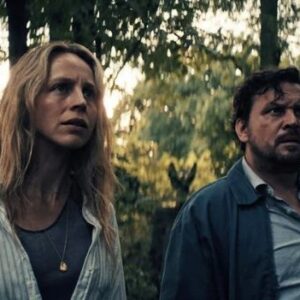
East of Eden: Florence Pugh and Hoon Lee Bring New Depth to Netflix’s Seven-Part Family Saga
Florence Pugh may deliver one of the most unsettling performances in Netflix’s East of Eden, but Hoon Lee’s quietly powerful portrayal of Lee could be the adaptation’s most affecting achievement.
Based on John Steinbeck’s celebrated novel, the seven-part series reimagines a multigenerational family saga defined by betrayal, cruelty, inherited trauma and the struggle between destiny and free will. Created by Zoe Kazan, with Jeb Stuart serving as co-showrunner, the adaptation revisits Steinbeck’s exploration of good and evil while shifting the focus toward two characters whose contrasting perspectives reshape the story.
Pugh plays Cathy Ames, a calculating and dangerous woman whose desire for independence drives many of the series’ darkest events. Lee, portrayed by Hoon Lee, offers a striking counterpoint: an educated, compassionate observer whose quiet strength and humanity become increasingly important as the story unfolds.
Together, their performances give this ambitious period drama much of its emotional force. Although the adaptation has some narrative shortcomings, its striking visuals, accomplished cast and fresh approach to a literary classic make it a compelling new interpretation of Steinbeck’s enduring work.

A Different Opening to John Steinbeck’s Classic
Steinbeck’s novel begins with California’s Salinas Valley, grounding its family story in the landscape that shaped the author’s life and imagination. Kazan’s adaptation takes a different approach, opening instead with Cathy Ames.
“I believe there are monsters born to human parents,” Cathy declares, introducing the series through the character who embodies the novel’s most troubling questions about human nature.
The change signals the adaptation’s priorities. Rather than following the structure of the 1955 film directed by Kazan’s grandfather, Elia Kazan, which concentrates on the final portion of the multigenerational story, the Netflix series attempts to cover the broader sweep of the novel.
It also gives greater prominence to Cathy and Lee, two characters whose experiences reveal different sides of the story’s central themes. Cathy’s determination to escape every constraint she encounters stands in sharp contrast to Lee’s empathy, intelligence and belief in the power of individual choice.
The results are not always equally successful, but the approach gives the familiar story a fresh perspective while retaining its interest in original sin, free will and the destructive patterns passed from one generation to the next.
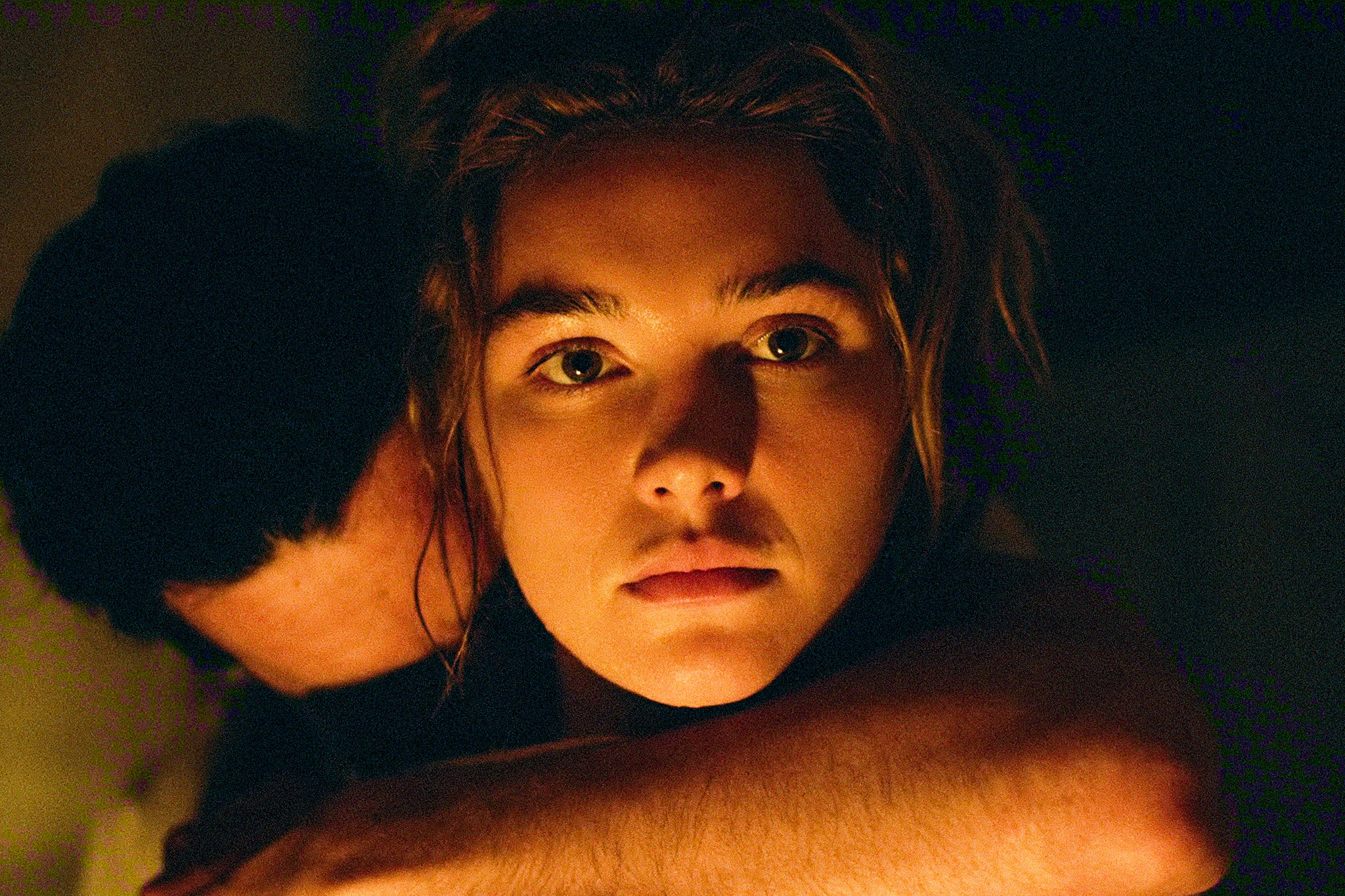
Florence Pugh Makes Cathy Ames a Formidable Presence
Pugh plays Cathy as a woman who is constantly adapting to survive and maintain control over her circumstances. Across the decades, Cathy moves from a vulnerable young woman to a reluctant wife, a skilled prostitute and eventually a brothel owner. Each stage requires her to reassess the people around her and find new ways to protect her independence.
The role gives Pugh considerable room to demonstrate her ability to make a character’s shifting calculations visible. An Oscar nominee for her performance in Greta Gerwig’s Little Women, she has already shown her strength in literary adaptations. Her earlier television work also includes Park Chan-wook’s 2018 adaptation of John le Carré’s The Little Drummer Girl.
In East of Eden, she also serves as an executive producer.

Cathy’s story begins when she arrives at the Connecticut home of half-brothers Adam Trask (Christopher Abbott) and Charles Trask (Mike Faist), bruised and bloodied. Their family is already divided by the influence of their father, Cyrus Trask (Tracy Letts), a Civil War veteran determined to shape his sons into the men he believes they should become.
Cyrus imagines Adam as a soldier and Charles as a farmer, regardless of their natural inclinations. The emotional wounds created by this upbringing will eventually affect the next generation as well.
Through Cathy’s eyes, the brothers appear very different. Adam is trusting and easy to influence, making him an appealing source of security for someone desperate to escape her circumstances. Charles is more perceptive and suspicious, recognising a potentially dangerous intelligence in Cathy that may also resemble something in himself.
Pugh is especially effective in these early episodes, portraying Cathy as instinctive, calculating and fiercely resistant to control. She treats restrictions on her freedom as threats that must be answered, whether they come from parental authority, abuse or the expectations of marriage.
Her comparison of marriage to a poorly tied knot that can simply be undone captures her refusal to accept conventional domestic life as an unavoidable fate. Yet her decision to abandon her newborn twins makes that pursuit of independence deeply troubling.
The series invites viewers to understand Cathy without necessarily excusing her actions. Her choices remain destructive, but they also reflect a woman determined to escape a life she believes will otherwise imprison her.
Hoon Lee’s Lee Is the Emotional Heart of the Series
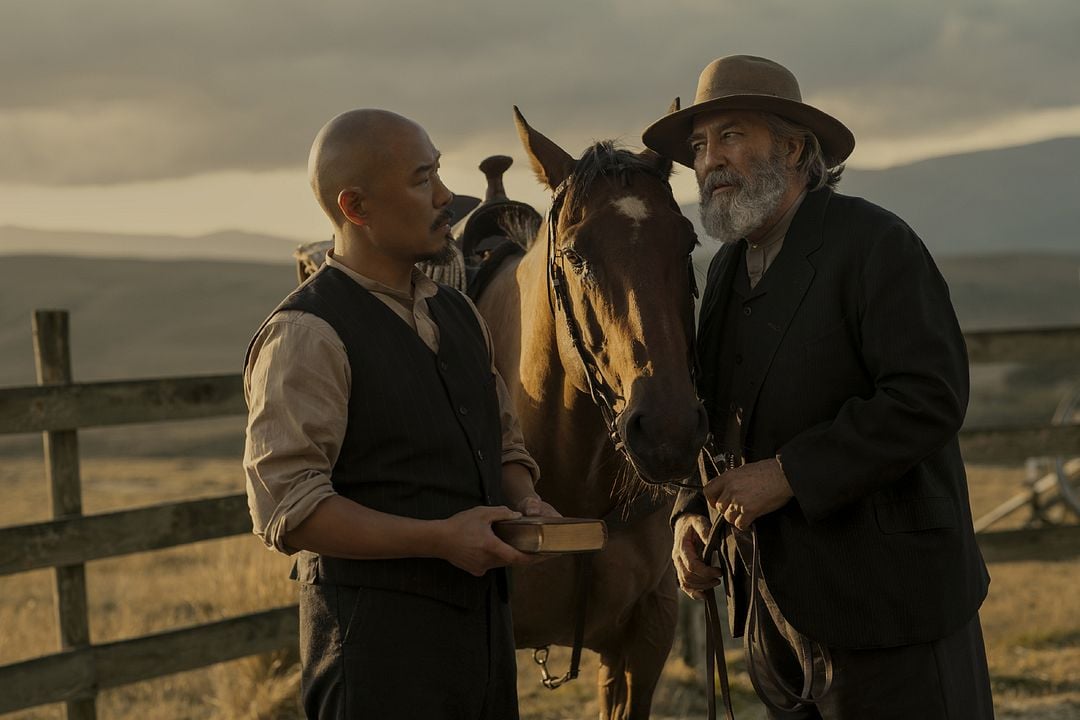
While Cathy dominates much of the series through her volatility and determination, Lee gradually emerges as one of its most important characters. Hoon Lee brings a quiet warmth to a man who has learned to navigate a society that frequently underestimates him.
Born in America to Chinese railroad workers, Lee is an educated and thoughtful man who understands how to adapt his behaviour to the expectations of those around him. In the presence of racist strangers, he adopts the heavily accented speech they expect from him. Away from their scrutiny, however, he reveals a sharp intellect, debating philosophy with his neighbour Samuel Hamilton (Ciarán Hinds) and studying the Bible.
This contrast is central to the character. Lee is not simply a supporting figure in the Trask household but a perceptive observer of the world around him, with his own convictions, ambitions and personal history.
The adaptation expands his role beyond what viewers might expect from a traditional family servant. It explores his relationship with his parents, takes him to San Francisco’s bustling Chinatown and gives him greater agency within the Trask family.
Lee’s responsibilities are also far more extensive than his official position suggests. As cook, gardener and bookkeeper, he becomes indispensable to the household. He also helps raise Adam’s twin sons, Cal and Aaron, effectively taking on a maternal role that the series communicates through his actions rather than explicitly naming.
His relationship with Adam becomes particularly interesting as the story progresses. While the family struggles with inherited resentment and emotional distance, Lee offers a steadier presence, helping to care for the boys while quietly challenging the assumptions surrounding him.
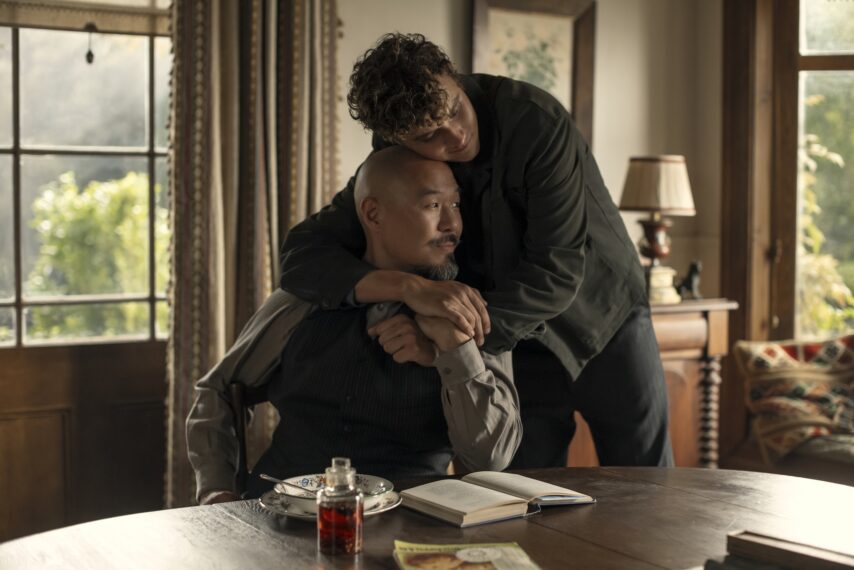
Netflix’s adaptation gives this character greater room to develop, allowing him to stand alongside his employers rather than remain on the margins of their story.
Lee’s importance is also tied to one of the novel’s central ideas: timshel, a Hebrew word associated with the biblical story of Cain and Abel. Commonly translated as “thou mayest,” the term emphasises the possibility of choice rather than an unchangeable destiny.
Through Lee’s interest in the Bible and philosophy, the series brings this idea into focus. People may inherit painful histories and face powerful social pressures, but they are not necessarily condemned to repeat the mistakes of those who came before them.
Hoon Lee communicates these ideas with restraint. His performance lacks Cathy’s explosive intensity, yet his calm, quietly wounded presence provides an essential counterbalance to the surrounding cruelty. As Lee becomes more fully realised, he gives the series a human warmth that helps offset the ways Cathy’s character becomes more sympathetic and less uncompromising over time.
How Does the Adaptation Compare With the Original Novel?

One of the series’ most significant changes is its attempt to explain more of Cathy’s behaviour through her childhood experiences.
Steinbeck’s novel raises the possibility that some people are born with an inherent capacity for evil. Kazan’s interpretation places greater emphasis on the experiences that shape a person, suggesting that Cathy’s later behaviour cannot be separated entirely from the suffering she has endured.
This approach provides additional context for her isolation and her eventual life as the owner of a brothel in Salinas. It encourages viewers to consider how abuse and restrictive social expectations influence her decisions, without making those decisions any less destructive.
However, the added explanation also changes the effect of Cathy’s character. In the early episodes, she is portrayed as almost frighteningly instinctive, a person whose determination to escape control seems inseparable from her nature. Giving her a more explicit origin story makes her easier to understand, but it also softens some of the unsettling mystery that makes her such a formidable figure.
The series makes other changes to accommodate its seven-episode format. Kazan originally intended the adaptation to run for eight episodes, and the finished version sometimes feels compressed.
Charles becomes a less prominent presence after Adam and Cathy leave for Northern California, while the relationship between the brothers is not always developed enough to give Charles’s understanding of Cathy the full weight it might have carried.
The teenage versions of Cal (Joseph Zada) and Aaron (Joe Anders) also receive limited time to develop beyond the emotional conflicts inherited from their parents. Given the novel’s emphasis on generational patterns, this leaves some relationships feeling less fully explored than others.
By contrast, Cathy’s rise within the brothel receives substantial attention, as does Lee’s expanded storyline. These choices reveal where Kazan has chosen to concentrate the adaptation’s emotional energy.
The result is not a flawless translation of Steinbeck’s sprawling novel, but a deliberate reinterpretation that gives two of its most compelling characters greater prominence.
A Visually Striking Period Drama
Even when the narrative feels rushed, East of Eden remains visually impressive.
The production was moved to New Zealand, meaning the series could not use California’s authentic landscapes despite the Salinas Valley’s importance to Steinbeck’s story. Nevertheless, cinematographer Stuart Dryburgh captures the islands’ rolling hills in striking, sunlit compositions that lend the drama a sense of scale and atmosphere.
Directors Garth Davis, known for Lion, and Laure de Clermont-Tonnerre, known for The Mustang, help bring the period setting to life. Production designer Grant Major, costume designer Kirsty Cameron and composer Laura Karpman also contribute to the series’ carefully constructed world.
The visual approach places intimate family conflicts against expansive landscapes, reinforcing the contrast between the characters’ personal struggles and the larger forces of history, belief and inherited trauma.
The production’s ambition is evident throughout, even if the passage of time occasionally feels awkward on screen. Ageing characters across several decades presents its own challenges, and some performances do not always convey the years that have supposedly passed as convincingly as others.
Still, the combination of strong performances, detailed period design and evocative cinematography makes the series an absorbing viewing experience.
Is East of Eden Worth Watching?
For viewers who enjoy ambitious literary adaptations, East of Eden offers plenty to appreciate.
Florence Pugh gives Cathy Ames a commanding presence, balancing menace, vulnerability and a fierce desire for independence. Her portrayal ensures that Cathy remains difficult to ignore, even when the series attempts to explain or soften some of her darker qualities.
Hoon Lee provides an equally valuable contribution through a very different kind of performance. His interpretation of Lee brings empathy, intelligence and emotional steadiness to a story often dominated by hostility and betrayal.
The supporting cast also includes Christopher Abbott as Adam Trask, Mike Faist as Charles Trask, Tracy Letts as Cyrus Trask, Martha Plimpton as Faye, Ciarán Hinds as Samuel Hamilton, Joseph Zada as Cal and Joe Anders as Aaron.
Together, the cast helps bring Steinbeck’s exploration of family conflict and inherited suffering to a new generation of viewers.
The series does have weaknesses. Its seven episodes sometimes struggle to accommodate the scale of the source material, leaving certain relationships and character developments feeling rushed. Some of the changes to Cathy’s backstory also reduce the unsettling ambiguity of her original character.
Yet these shortcomings do not erase what the adaptation achieves. By expanding Lee’s role and placing Cathy at the centre of its storytelling, the series finds new ways to explore the tension between the people we become and the choices we make.
Ultimately, East of Eden is worth watching for the performances of Pugh and Lee alone. Their contrasting approaches give the sprawling family saga its emotional centre, helping a classic story about free will, cruelty and redemption feel relevant once again.
Where Can You Watch East of Eden?
All seven episodes of East of Eden are now available to stream on Netflix. The limited series premiered globally on October 1, 2026.
Created by Zoe Kazan and adapted from John Steinbeck’s novel, the drama offers a fresh take on one of American literature’s most enduring family sagas.
For anyone drawn to complex characters, sweeping period storytelling and performances that linger long after the credits, this is a series worth adding to the watchlist.