BBC’s Rise of the Clans praised by viewers as a gem of Scottish history
Scotland’s turbulent clan history comes vividly to life in the BBC’s Rise of the Clans, a three-part documentary series presented by historian and broadcaster Neil Oliver.
First broadcast in 2018, the series takes viewers into a world of rival clans, shifting loyalties, political intrigue and bloody conflict, set against Scotland’s mountains, castles and glens. The programme has since developed a strong following, with viewers praising its combination of historical storytelling, dramatic reconstructions and spectacular scenery.
The BBC describes the series as a journey into the story of Scotland’s ancient clans, following their role in some of the country’s most important historical events.
A turbulent chapter in Scotland’s past
At the heart of Rise of the Clans are some of the most recognisable figures in Scottish history, including Robert the Bruce and Mary, Queen of Scots.
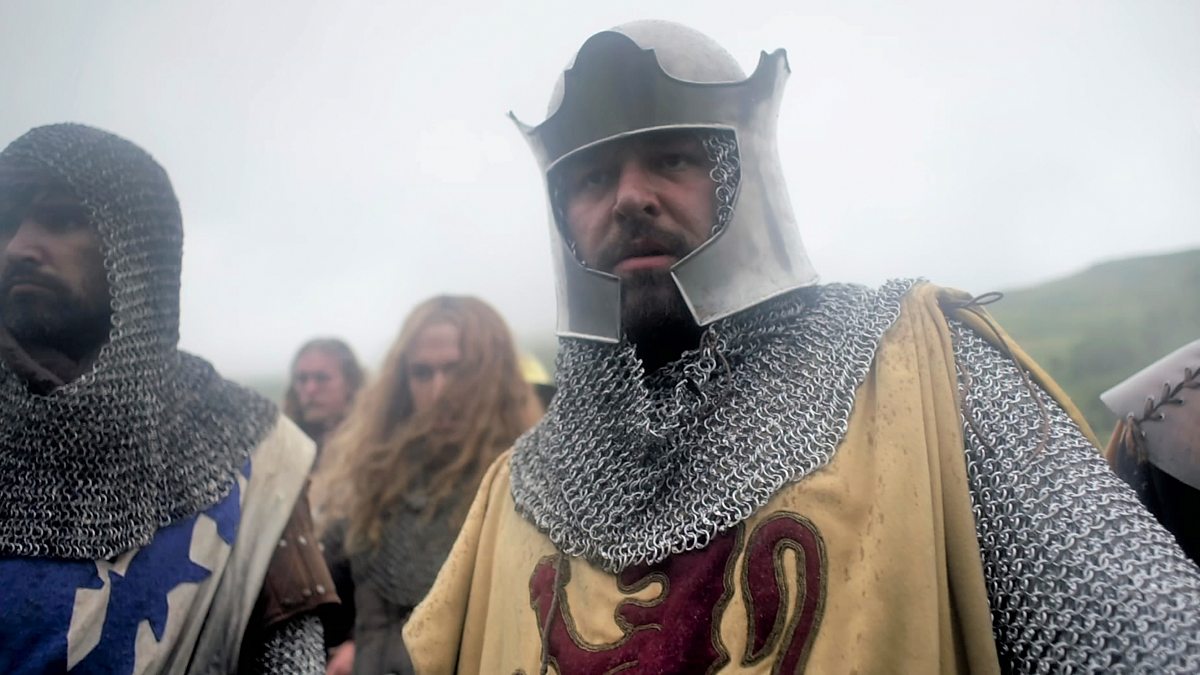
The series explores how Scotland’s clans became deeply involved in struggles for power, the Scottish crown and the country’s independence. Its first episode, The Bruce Supremacy, follows the clans as they rallied behind Robert the Bruce during his campaign to secure the Scottish crown.
Their role became particularly significant during the Wars of Scottish Independence. After the Scottish victory over the English at Bannockburn in 1314, Bruce rewarded loyal clan chiefs with land and titles, helping establish their influence for generations to come.
The programme uses dramatic reconstructions alongside historical commentary, giving viewers a visual sense of the conflicts and political struggles that shaped medieval Scotland.
The National Trust for Scotland, which contributed locations including Falkland Palace and Culross to the production, described the series as a blood-soaked story of battles, feuds, loyalty, betrayal, love and death.
From Robert the Bruce to the Stewart dynasty
The second episode, Brothers at War, shifts the focus to Clan Stewart and its rise to become Scotland’s royal dynasty.
The episode examines the bitter struggle for power within the clan and the political manoeuvring that eventually culminated in the assassination of King James I in 1437.
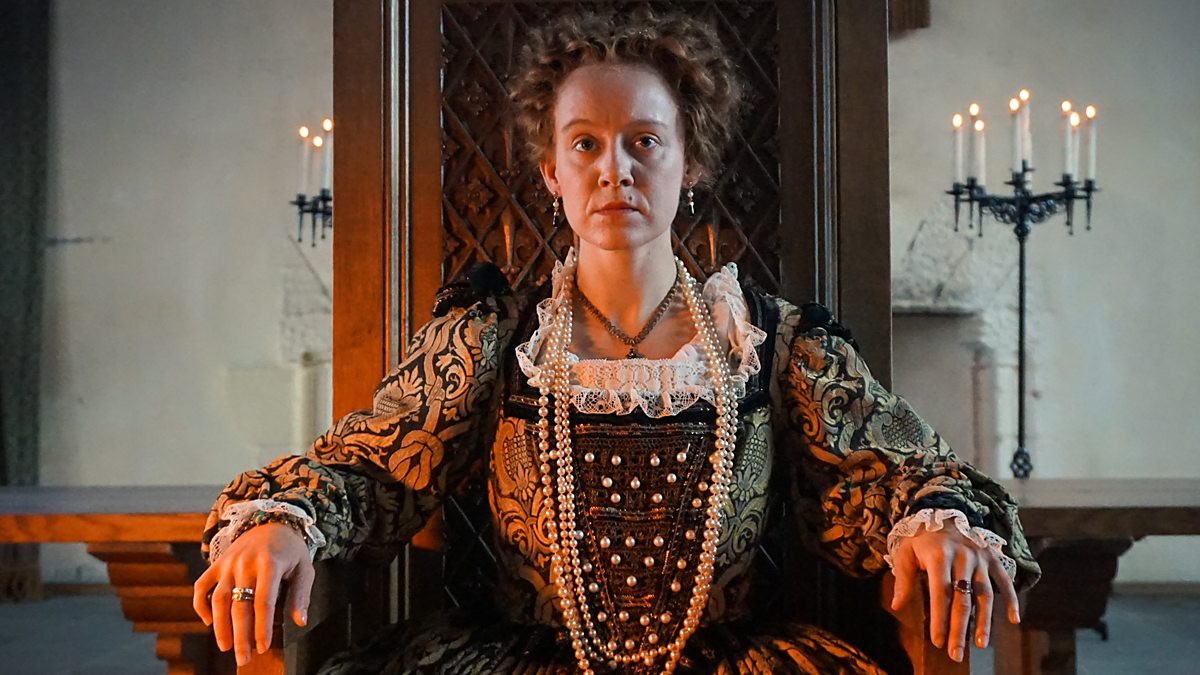
The final instalment, A Queen Betrayed, turns to Mary Stewart, Queen of Scots. It explores the clan politics and conspiracies surrounding the queen, including the role of her brother James Stewart, Earl of Moray, in the struggle for control of Scotland. The story ultimately leads to Mary’s downfall and beheading.
Together, the three episodes trace how clan loyalties and rivalries repeatedly influenced the direction of Scottish history.

Viewers praise the series
Viewers have responded warmly to Rise of the Clans, with reviews highlighting both its historical detail and visual presentation.
One viewer described it as an “excellent” BBC Scotland production and called it another gem from the broadcaster and Neil Oliver, placing it alongside Oliver’s A History of Scotland among the programmes they considered particularly strong.
Another praised the programme’s combination of history and scenery, pointing to its mountains, castles and lochs as a striking backdrop for the story of the Gaelic and Viking clans of western Scotland.
The viewer also highlighted the political intrigue surrounding the clans and their support for Robert the Bruce, as well as the rivalries between groups that did not share the same loyalties.
A further reviewer appreciated the way Oliver appears within the dramatic reconstructions, saying that his involvement made the events feel as though they were being related by someone who had witnessed them first-hand.
Other viewers singled out the episodes covering Robert the Bruce and Mary, Queen of Scots. One reviewer particularly valued the level of detail, including the discussion of Scottish battle tactics and the use of clan maps to help explain the complex relationships between different groups.
The series has also been described by viewers as something they could watch repeatedly, while its follow-up has attracted similarly positive reactions.

Neil Oliver’s long career in history broadcasting
Rise of the Clans is one of several history and archaeology programmes associated with Neil Oliver.
The Scottish broadcaster has presented documentaries including A History of Scotland, Vikings and Coast, while also writing history books and historical fiction.
Born in Renfrew, Oliver studied archaeology at the University of Glasgow. After graduating, he worked as a freelance archaeologist before moving into journalism.
His television career began with the BBC series Two Men in a Trench, in which he worked alongside archaeologist Tony Pollard to investigate historic British battlefields.
Oliver later returned to the history of Scotland through programmes including The Quest for Bannockburn, which explored the famous battle and its archaeological setting.

A series that brings Scottish history to life
When Rise of the Clans first aired in 2018, it offered viewers a dramatic journey through centuries of Scottish history, from Robert the Bruce’s fight for the crown to the rise of Clan Stewart and the downfall of Mary, Queen of Scots.
The series combines historical research, expert contributions and filmed reconstructions with the landscapes and historic locations associated with Scotland’s past. The University of Stirling, for example, noted the contribution of Professor Richard Oram to the series, including his analysis of Robert the Bruce’s military campaigns and the changing tactics of the Scottish army.
The original series was followed by Blood of the Clans in 2020, continuing Neil Oliver’s exploration of Scotland’s clan history.
For viewers interested in Scottish history, medieval power struggles or the stories behind some of the country’s most famous historical figures, Rise of the Clans remains a substantial three-part introduction to the subject.
Watch the trailer
Rise of the Clans is available to buy on Prime Video.